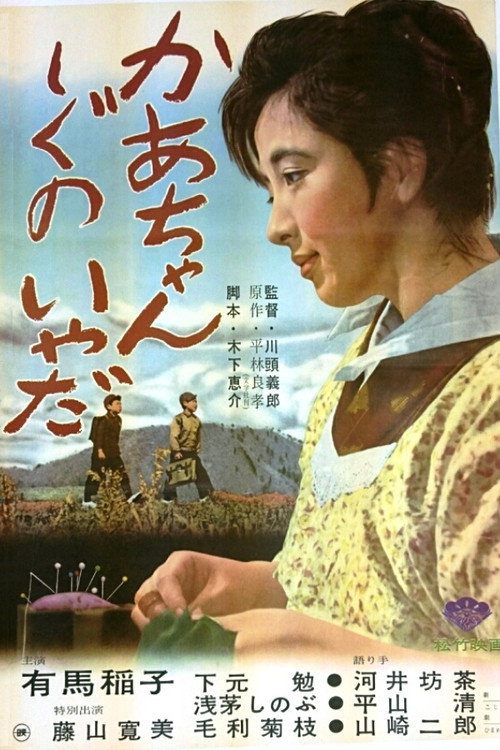
Don't Ever Die, Mama! 1961
In *Don't Ever Die, Mama! (1961)*, director Yoshiro Kawazu crafts a poignant drama set in post-war Japan, following two school-aged brothers, Yoshiuki and Yoshihisa, as they navigate hardship alongside their ailing mother.
Director: Yoshiro Kawazu
Cast

Frequently Asked Questions
What is *Don't Ever Die, Mama! (1961)* about?
This 1961 drama follows two school-aged brothers who confront poverty and their father's illness while caring for their struggling mother. Their daily battles reveal the quiet strength of familial love amid hardship.
Who directed *Don't Ever Die, Mama!*?
The film was directed by Yoshiro Kawazu, known for his sensitive portrayals of human struggles in post-war Japanese cinema.
Who stars in *Don't Ever Die, Mama!*?
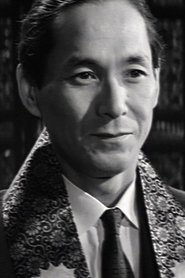
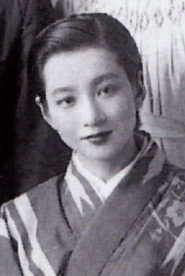
The cast includes Ineko Arima, Kiyoshi Hirayama, Jiro Yamazaki, Tsutomu Shimomoto, and Kikue Mōri.
Is *Don't Ever Die, Mama! (1961)* worth watching?
While not widely rated, this 82-minute drama offers a moving exploration of family and sacrifice. Fans of 1960s Japanese cinema or social realism may find its emotional depth rewarding.
How long is *Don't Ever Die, Mama!*?
The film runs for 82 minutes.
About Don't Ever Die, Mama! (1961) — A 1960s Japanese Drama of Family Sacrifice
In *Don't Ever Die, Mama! (1961)*, director Yoshiro Kawazu crafts a poignant drama set in post-war Japan, following two school-aged brothers, Yoshiuki and Yoshihisa, as they navigate hardship alongside their ailing mother. Struggling to keep their family afloat while their father battles tuberculosis in the hospital, the siblings embody resilience in the face of crushing economic and emotional burdens. Shot in black-and-white, the film immerses viewers in a raw, intimate portrait of familial devotion and sacrifice, where every small victory feels hard-won. Kawazu's sensitive direction and the nuanced performances—particularly from Ineko Arima as the mother—paint a deeply human story about love's quiet endurance.
The 82-minute runtime unfolds like a quiet storm, blending social realism with emotional depth. Themes of poverty, sacrifice, and the unbreakable bonds of family ripple beneath the surface, making this a standout among 1960s Japanese dramas. The atmosphere is one of quiet desperation, yet laced with hope, as the characters' struggles feel both timeless and deeply personal.