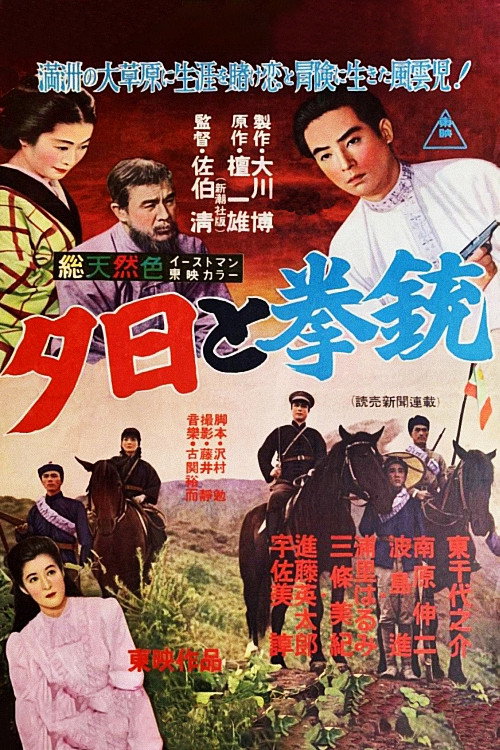
Manchurian Sunset 1956
Set against the turbulent backdrop of pre-war Asia, *Manchurian Sunset (1956)* follows Rinnosuke Date, a headstrong young man driven by dreams of adventure and romance.
Director: Kiyoshi Saeki
Cast

Chiyonosuke Azuma
Rinnosuke Date

Miki Sanjō
Ayako Yamaoka

Harumi Urazato
Ko Higasa

Jun Usami
Rokuro Itsumi
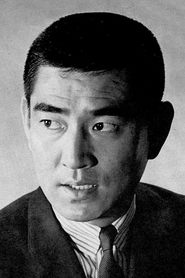
Ken Takakura
Shintaro
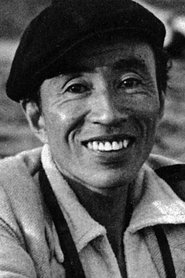
Yoshi Katō
Tokimune
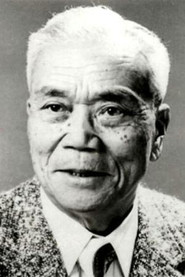
Tokue Hanazawa
Danzo
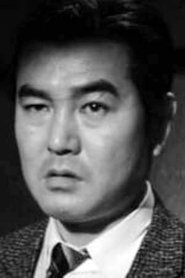
Takashi Kanda
Major Nakayama

Sachiko Murase
Atsuko
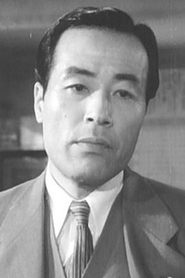
Eitarō Ozawa
Genzan
Frequently Asked Questions
What is Manchurian Sunset (1956) about?
The film follows Rinnosuke Date, a young man who risks everything to chase his dreams and love in the volatile region of Manchuria. Along the way, he faces violent upheaval and personal challenges, armed only with determination and a pistol.
Who directed Manchurian Sunset?
Kiyoshi Saeki directed *Manchurian Sunset (1956)*, crafting a visually striking blend of drama and adventure set against a historical backdrop.
Who stars in Manchurian Sunset?
The film stars Chiyonosuke Azuma as the lead, alongside Miki Sanjō, Jun Usami, and Ken Takakura in pivotal roles.
Is Manchurian Sunset (1956) worth watching?
Though unrated on IMDb, *Manchurian Sunset* offers a richly atmospheric adventure-drama with strong performances and historical intrigue. Fans of 1950s cinema and sweeping narratives will find much to appreciate in its romanticized yet gritty storytelling.
How long is Manchurian Sunset?
The runtime for *Manchurian Sunset (1956)* is 123 minutes.
About Manchurian Sunset (1956) — A Forgotten 1950s Adventure-Drama of Love and Rebellion
Set against the turbulent backdrop of pre-war Asia, *Manchurian Sunset (1956)* follows Rinnosuke Date, a headstrong young man driven by dreams of adventure and romance. Directed by Kiyoshi Saeki, this gripping adventure-drama plunges viewers into a world of swirling dust, gunpowder, and relentless wind as Date navigates the harsh landscapes of Manchuria. With his pistol in hand, he fights not just for survival, but for the pursuit of love and purpose in a land teetering on the edge of upheaval. The film blends raw action with deep emotional stakes, painting a vivid portrait of resilience and determination.
Chiyonosuke Azuma leads the cast with a compelling performance, supported by Miki Sanjō and Jun Usami, who bring depth to the story's dramatic turns. The themes of fate and defiance pulse through every frame, while Saeki's direction immerses audiences in a bygone era of political tension and personal turmoil. *Manchurian Sunset (1956)* is more than just an adventure—it's a testament to the human spirit in the face of chaos.