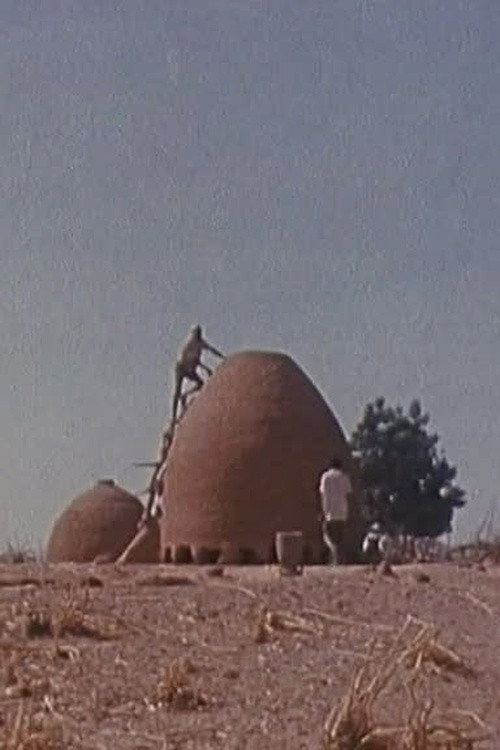
Bawra 1977
Dive into the heart of Bagaji, a remote Hausa village in Niger, where Bawra stands as both village chief and spiritual guardian in this profound 1977 documentary.
Director: Marc-Henri Piault
Frequently Asked Questions
What is Bawra (1977) about?
Bawra (1977) follows the life of a Hausa village chief and rain priest in Niger's Bagaji region. Through his personal narrative, the documentary reveals his journey from youth to leadership, his spiritual duties, and the cultural significance of rain-making rituals in sustaining his community.
Who directed Bawra?
Bawra was directed by Marc-Henri Piault, a filmmaker known for his ethnographic work and deep engagement with African cultures and traditions.
Who stars in Bawra?
Director Marc-Henri Piault takes center stage as the camera follows Bawra's life, though the film's true stars are the rituals, landscapes, and traditions of the Hausa village in Niger.
Is Bawra (1977) worth watching?
As a 1977 documentary, Bawra offers a fascinating glimpse into a world rarely explored on film. Its focus on spiritual leadership, cultural practices, and the bond between humanity and nature makes it a compelling watch for documentary enthusiasts and those interested in African ethnography.
How long is Bawra?
Bawra has a runtime of 77 minutes, offering a concise yet immersive cinematic experience.
About Bawra (1977) — A Chief's Tale of Faith and the Sahel's Sacred Skies
Dive into the heart of Bagaji, a remote Hausa village in Niger, where Bawra stands as both village chief and spiritual guardian in this profound 1977 documentary. Directed by Marc-Henri Piault, the film unfolds as Bawra shares intimate reflections on his youth, the journeys that shaped him, and his deep-seated beliefs in rain-making rituals that bind his community. Through his eyes, we witness a world where tradition and spirituality intertwine, offering a rare glimpse into a life dedicated to preserving ancient customs amidst the vast Sahelian landscape.
Bawra (1977) transcends mere ethnographic study, becoming a meditative exploration of leadership, faith, and the cyclical rhythms of nature. Piault's lens captures the village's rugged beauty and the quiet intensity of Bawra's role, blending storytelling with raw authenticity. The film's atmosphere is one of reverence and curiosity, as it invites viewers to ponder the interplay between human agency and the divine in a land where survival hinges on the skies above.