Przesądy 1912
Step back into the silent-film era with *Przesądy (1912)*, a little-known gem from Poland that offers a fascinating glimpse into early 20th-century storytelling.
Director: Józef Ostoja-Sulnicki
Cast
Frequently Asked Questions
What is Przesądy (1912) about?
*Przesądy (1912)* delves into the clash between superstition and modernity in early 20th-century Poland. The story follows characters navigating cultural traditions that both comfort and constrain them, set against a society on the cusp of transformation. While the plot remains undocumented, its themes reflect the era's broader tensions.
Who directed Przesądy?
Józef Ostoja-Sulnicki directed *Przesądy (1912)*, marking one of his notable contributions to Poland's silent-film era.
Who stars in Przesądy?
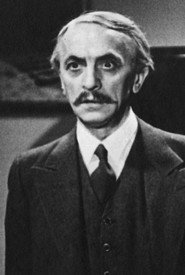
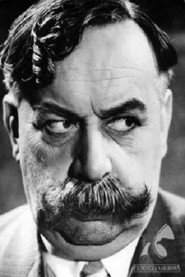
The film features a talented ensemble including Maria Duleba, Władysław Grabowski, Aleksander Zelwerowicz, Kazimierz Kamiński, and Tekla Trapszo in its leading roles.
Is Przesądy (1912) worth watching?
For silent-film enthusiasts and history buffs, *Przesądy (1912)* offers a rare window into Poland's cinematic past. Its themes of superstition are timeless, though the lack of plot details may limit its appeal. A watch for niche audiences seeking early European cinema.
How long is Przesądy?
Runtime details are not listed for *Przesądy (1912)*.
About Przesądy (1912) — Poland's Early Silent Film Exploring Superstition and Change
Step back into the silent-film era with *Przesądy (1912)*, a little-known gem from Poland that offers a fascinating glimpse into early 20th-century storytelling. Directed by Józef Ostoja-Sulnicki, this historical drama weaves themes of superstition and tradition against the backdrop of a rapidly changing society. The film's atmospheric tension builds through the performances of Maria Duleba, Władysław Grabowski, and Aleksander Zelwerowicz, who bring depth to characters caught between old-world beliefs and emerging modernity. While the narrative is lost to time, the cultural weight of *Przesądy (1912)* lies in its portrayal of superstition as both a guiding force and a barrier to progress.
The era's cinematic techniques shine in Sulnicki's direction, blending visual symbolism with raw emotional energy. Though lacking today's polished storytelling, the film's authenticity resonates with historians and silent-film enthusiasts alike. Its themes of superstition remain universally relatable, inviting viewers to reflect on how fear shapes human choices. For those exploring Poland's cinematic roots, *Przesądy (1912)* is a compelling starting point.