Don't Forget 1978
Dive into the mesmerizing world of *Don't Forget (1978)*, Matthijs Blonk's experimental short film that transforms light and shadow into pure cinematic poetry.
Director: Matthijs Blonk
Frequently Asked Questions
What is Don't Forget (1978) about?
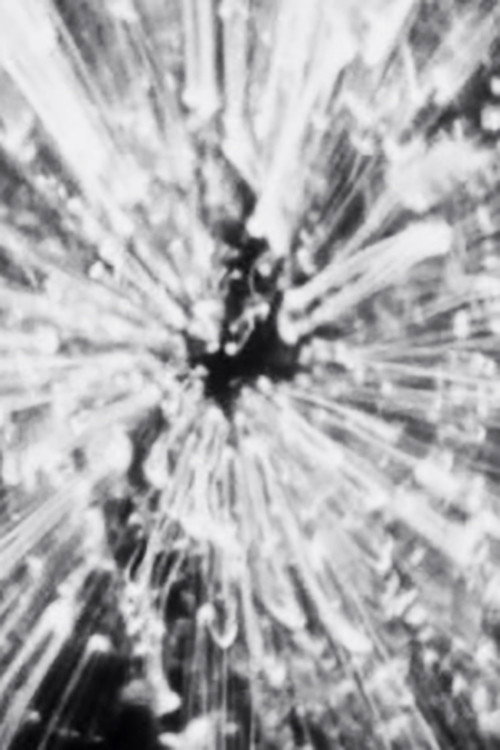
This experimental short film explores the ephemeral beauty of light in motion, capturing reflections, sunbeams, and artificial glows through high-contrast visuals. It's a meditative, non-narrative work that turns fleeting moments of illumination into a mesmerizing abstract experience.
Who directed Don't Forget?
Matthijs Blonk directed *Don't Forget*. A pioneer of avant-garde cinema, Blonk's work often blurs the line between film and visual art, using unconventional techniques to create immersive sensory experiences.
Who stars in Don't Forget?
Cast details for *Don't Forget* are not publicly listed, reflecting its purely experimental and non-narrative nature.
Is Don't Forget (1978) worth watching?
While *Don't Forget* lacks traditional storytelling, its abstract visuals and technical innovation make it a compelling watch for fans of experimental cinema. Without an IMDb rating, its value lies in its artistic ambition—though it may not appeal to those seeking conventional narratives.
How long is Don't Forget?
*Don't Forget* runs for 5 minutes.
About Don't Forget (1978) — The Hypnotic Short Film That Turns Light Into Art
Dive into the mesmerizing world of *Don't Forget (1978)*, Matthijs Blonk's experimental short film that transforms light and shadow into pure cinematic poetry. Shot on ultra-high-contrast orthographic film, this five-minute visual journey captures reflections dancing on water, dappled sunlight filtering through leaves, and flickering beams that ripple like liquid gold. By employing long exposures, subtle camera movements, and abstract circular patterns, Blonk crafts a hypnotic dance of contrasts—where every frame feels like a fleeting glimpse into an unseen dimension. The result is a fleeting yet unforgettable abstract-expressionist masterpiece, where the interplay of light becomes both the subject and the story.
Often compared to the luminous experiments of avant-garde cinema, *Don't Forget (1978)* stands out as a study in minimalism and texture. Its evanescent visuals evoke themes of transience and perception, inviting viewers to lose themselves in the ebb and flow of light's ephemeral beauty. Though devoid of dialogue or plot, the film speaks volumes through its sheer visual poetry, leaving audiences to interpret its fleeting patterns and moods long after the final frame fades to black.