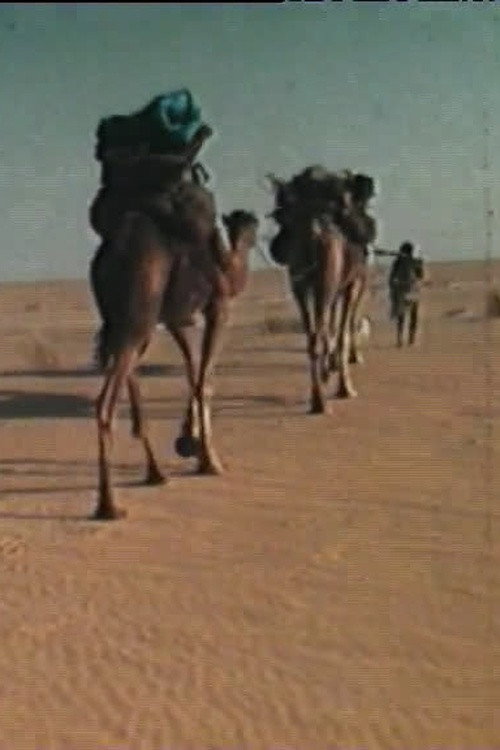
La dernière guémaré des Némadis 1977
Step back to 1977 with *La dernière guémaré des Némadis*, François Pailleux's compelling documentary that captures a final hunting expedition among the Nemadi people of Mauritania's Akle region.
Director: François Pailleux
Frequently Asked Questions
What is La dernière guémaré des Némadis (1977) about?
François Pailleux's documentary follows a group of Nemadi hunters in Mauritania as they embark on a final organized hunting expedition in the Akle region. The film was shot during a time of extreme drought, capturing the tension between tradition and the harsh reality of a disappearing ecosystem.
Who directed La dernière guémaré des Némadis?
La dernière guémaré des Némadis was directed by François Pailleux, a filmmaker known for capturing ethnographic and environmental narratives in Africa during the late 20th century.
Who stars in La dernière guémaré des Némadis?
While the cast details are not widely documented, the film prominently features Professor Gabus and the Nemadi hunters leading the final expedition.
Is La dernière guémaré des Némadis (1977) worth watching?
As an ethnographic documentary from 1977, it offers rare insight into a way of life under environmental pressure. Though unrated, its historical and cultural value makes it compelling for fans of documentary cinema and African studies.
How long is La dernière guémaré des Némadis?
La dernière guémaré des Némadis runs for 72 minutes.
About La dernière guémaré des Némadis (1977) — A Desert Documentary on the Edge of Change
Step back to 1977 with *La dernière guémaré des Némadis*, François Pailleux's compelling documentary that captures a final hunting expedition among the Nemadi people of Mauritania's Akle region. Shot during a period of severe drought across the Sahel, the film follows Professor Gabus as he joins a desperate group of nomadic hunters on their last organized search for game. Against the stark beauty of the Mauritanian landscape, the documentary unfolds as both an ethnographic record and a poignant reflection on environmental change and cultural survival. The 72-minute runtime immerses viewers in a world where tradition meets environmental crisis, leaving a lasting impression of resilience and loss.
Pailleux's lens brings the Nemadi's way of life into sharp focus, blending natural splendor with human endurance. Without sensationalism, the film quietly underscores the fragility of ecosystems and the quiet courage of those who depend on them. It's a quiet yet powerful meditation on adaptation, memory, and the vanishing rhythms of the desert hunter.