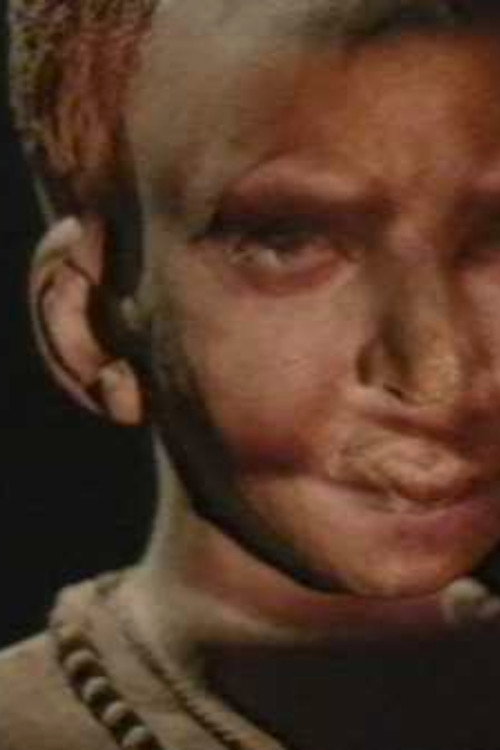
L'altro mondo 1987
Theo Eshetu's *L'altro mondo (1987)* is a bold, 10-minute experimental film that reimagines Massimo Liviadotti's iconic paintings as a dynamic, non-documentary visual journey.
Director: Theo Eshetu
Frequently Asked Questions
What is L'altro mondo (1987) about?
*L'altro mondo* is a 10-minute experimental film that reinterprets Massimo Liviadotti's paintings as a living, electronic collage. Theo Eshetu strips away traditional art homage to create an anti-celebratory visual study, transforming still images into a rhythmically flowing experience that challenges the static nature of painting.
Who directed L'altro mondo?
Theo Eshetu directed *L'altro mondo (1987)*. Known for his innovative approaches to visual storytelling, Eshetu merges art history with contemporary experimental techniques.
Who stars in L'altro mondo?
Cast details for *L'altro mondo (1987)* are not available.
Is L'altro mondo (1987) worth watching?
While *L'altro mondo* isn't a mainstream film, its experimental nature makes it a fascinating watch for fans of avant-garde cinema and visual art. As an unrated short film, it offers a niche but rewarding experience for those curious about the boundaries between art and medium.
How long is L'altro mondo?
*L'altro mondo (1987)* has a runtime of 10 minutes.
About L'altro mondo (1987) — Theo Eshetu's Experimental Reimagining of Liviadotti's Art
Theo Eshetu's *L'altro mondo (1987)* is a bold, 10-minute experimental film that reimagines Massimo Liviadotti's iconic paintings as a dynamic, non-documentary visual journey. Stripping away traditional celebratory tones, Eshetu transforms static artworks into a flowing, magnetic tape-based exploration of visual anthropology. The film doesn't just reinterpret Liviadotti's iconography—it dismantles it, weaving his compositions into an electronic mosaic that challenges the boundaries between painting and motion. With a rhythm as precise as it is hypnotic, *L'altro mondo* invites viewers into an alternate world where art becomes alive, shifting perceptions of time and representation.
Drifting between abstraction and narrative, the film's atmosphere is one of quiet intensity, blending avant-garde techniques with a meditative pace. Eshetu's work doesn't just observe Liviadotti's legacy; it dissects it, turning each brushstroke into a pixelated puzzle. For those drawn to experimental cinema or the intersection of art and technology, *L'altro mondo (1987)* offers a rare, thought-provoking experience—one that lingers long after the final frame.