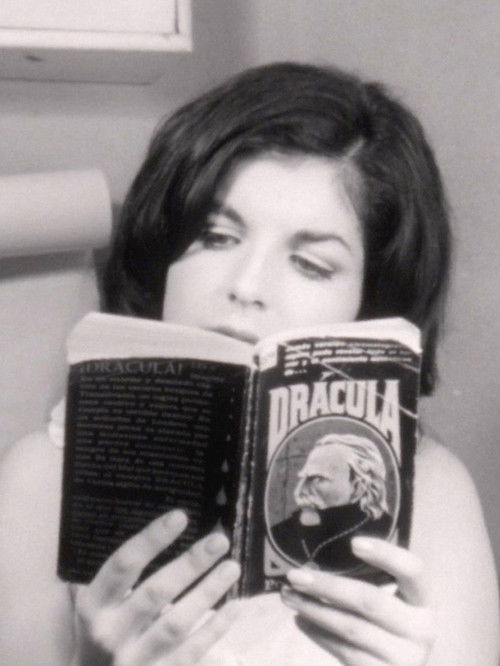
Nosferatu, a Creole Scene 1973
Nosferatu, a Creole Scene (1973) is a unique and obscure gem from Chilean horror cinema, blending folk horror with sharp satire in a way few films dared to attempt.
Director: Hernán Castellano
Cast
Frequently Asked Questions
What is Nosferatu, a Creole Scene (1973) about?
This short film follows an alien vampire who crash-lands in Santiago, Chile, and awakens in a modest grave, blending folk horror with sharp satire. The story unfolds against the backdrop of Chile's socio-political tensions, offering a surreal take on the vampire myth through a local lens.
Who directed Nosferatu, a Creole Scene?
The film was directed by Hernán Castellano, who also wrote, starred in, and mythologized this as one of the missing links in Chilean horror cinema.
Who stars in Nosferatu, a Creole Scene?
The main cast includes Hernán Castellano, Patricio Saavedra, Antonio Roncallo, Blanca Sagrista, and Demetrio Psijas, with Miguel Ángel Bienzobas rounding out the ensemble.
Is Nosferatu, a Creole Scene (1973) worth watching?
While it's a niche film, Nosferatu, a Creole Scene is a fascinating watch for horror enthusiasts and film historians alike. Its blend of folk horror, political undertones, and cult appeal makes it a unique entry in 1970s cinema, even if it's not widely known today.
How long is Nosferatu, a Creole Scene?
The film runs for 30 minutes.
Nosferatu, a Creole Scene (1973): Chile's Underground Horror Gem — Full Info
Nosferatu, a Creole Scene (1973) is a unique and obscure gem from Chilean horror cinema, blending folk horror with sharp satire in a way few films dared to attempt. Directed by Hernán Castellano, who also stars alongside Patricio Saavedra and Antonio Roncallo, this 30-minute short film reimagines the vampire myth through a local lens, telling the bizarre story of an alien vampire who crash-lands in Santiago, Chile, and awakens in a modest grave. Shot in 16mm with a raw, minimalist aesthetic, the film's subtitle "Escenita Criolla" hints at its connection to Chilean socio-cultural elements, making it a fascinating artifact of its time. Despite its brevity, the movie oozes atmosphere, mixing eerie folk horror with undercurrents of political commentary in the shadow of the country's turbulent coup d'état.
This underground horror fantasy stands as a missing link in Chilean cinema, a testament to creative resilience under oppressive conditions. Its modest production and allegorical storytelling create an unsettling, almost dreamlike vibe that lingers long after the credits roll. Whether you're a horror aficionado or a film historian, Nosferatu, a Creole Scene offers a rare glimpse into a forgotten corner of cinematic folklore.