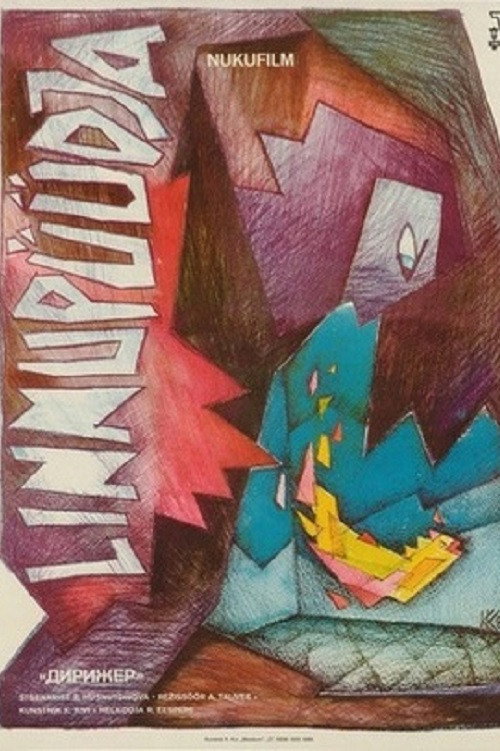
The Conductor 1988
In Aarne Ahi's *The Conductor (1988)*, a wordless animation unfolds a poignant parable about transformation and tradition.
Director: Aarne Ahi
Frequently Asked Questions
What is The Conductor (1988) about?
*The Conductor* is a silent animated parable about a bird that transforms into a wooden sculpture, yet continues to sing within a wooden choir. The film explores themes of sacrifice, artistic creation, and the boundaries between life and lifelessness.
Who directed The Conductor?
Director Aarne Ahi helmed *The Conductor*, crafting a visually poetic short film that blends animation with deep symbolism.
Who stars in The Conductor?
Cast details for *The Conductor* are not publicly listed.
Is The Conductor (1988) worth watching?
As an unrated short film, *The Conductor* offers a unique, meditative experience for animation enthusiasts and fans of symbolic storytelling. Its brevity and artistry make it a compelling watch for those who appreciate experimental animation, despite its niche appeal.
How long is The Conductor?
*The Conductor* runs for 7 minutes.
About The Conductor (1988) — A Wordless Animation Masterpiece of Transformation
In Aarne Ahi's *The Conductor (1988)*, a wordless animation unfolds a poignant parable about transformation and tradition. The short film follows a living bird that, through a mysterious metamorphosis, becomes a wooden sculpture—yet its spirit remains, singing within a wooden choir. The eerie yet beautiful imagery contrasts life and artifice, evoking themes of sacrifice, renewal, and the enduring power of music. The 7-minute runtime is packed with symbolism, from the quiet stillness of the studio to the haunting resonance of the choir's wooden voices.
This Estonian animated gem is a striking meditation on creativity and loss, where the act of creation itself becomes a form of transcendence. The muted tones and delicate animation style draw viewers into a dreamlike atmosphere, making *The Conductor* a standout in 1980s animation. Its minimalist storytelling lingers long after the final note, inviting reflection on the nature of art and the souls we imbue into our creations.