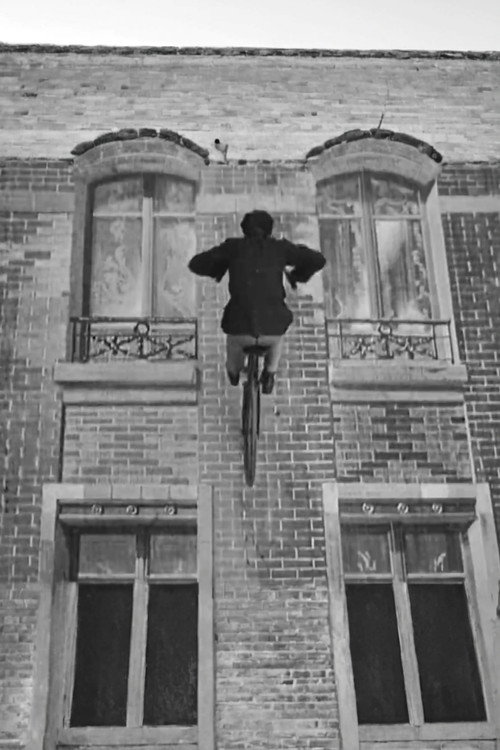
The Bicycle Robber 1905
Step back in time to 1905 with *The Bicycle Robber*, a playful silent short that captures the dawn of cinema's comedic storytelling.
Director: Charles-Lucien Lépine
Frequently Asked Questions
What is The Bicycle Robber (1905) about?
*The Bicycle Robber* follows a frantic chase through early 20th-century streets as a determined pursuer attempts to catch a nimble thief on a bicycle. The brief silent short turns a simple crime into a playful comedy of errors, relying on visual humor and physical movement to entertain.
Who directed The Bicycle Robber?
The Bicycle Robber was directed by Charles-Lucien Lépine, a filmmaker whose work contributed to the early development of silent cinema.
Who stars in The Bicycle Robber?
Cast details for *The Bicycle Robber (1905)* are not listed, reflecting the anonymity common in many silent-era productions.
Is The Bicycle Robber (1905) worth watching?
While *The Bicycle Robber* is a modest five-minute silent comedy, it offers a charming glimpse into early filmmaking and the origins of visual humor. Its historical value and lighthearted tone make it a fun watch for silent film enthusiasts and curious viewers alike.
How long is The Bicycle Robber?
The Bicycle Robber (1905) runs approximately 5 minutes in length.
🎥 Trailer
About The Bicycle Robber (1905) — A Silent Comedy Chase You'll Laugh to Rewind
Step back in time to 1905 with *The Bicycle Robber*, a playful silent short that captures the dawn of cinema's comedic storytelling. Directed by Charles-Lucien Lépine, this five-minute gem follows a hapless pursuer racing through early 20th-century streets to catch a nimble thief on a bicycle, offering a snapshot of urban life in motion. Gentle chaos unfolds as the chase becomes a miniature ballet of speed and confusion, blending slapstick charm with the visual novelty of early filmmaking. Though simple in plot, the comedy thrives on exaggerated gestures and the sheer delight of movement—perfect for fans of vintage humor and historical cinema.
The Bicycle Robber (1905) isn't just a chase—it's a snapshot of a moment when movies were discovering their own language. Shot in a minimalist style, the film leans on clever framing and timing to turn a mundane crime into a tiny comic epic. It's a window into the past that feels surprisingly modern in its pacing and wit, proving that great comedy doesn't need sound or color to spark laughter. Whether you're a film historian or a casual viewer, this early silent comedy invites you to experience the joy of discovery—one pedal, one chase, one laugh at a time.