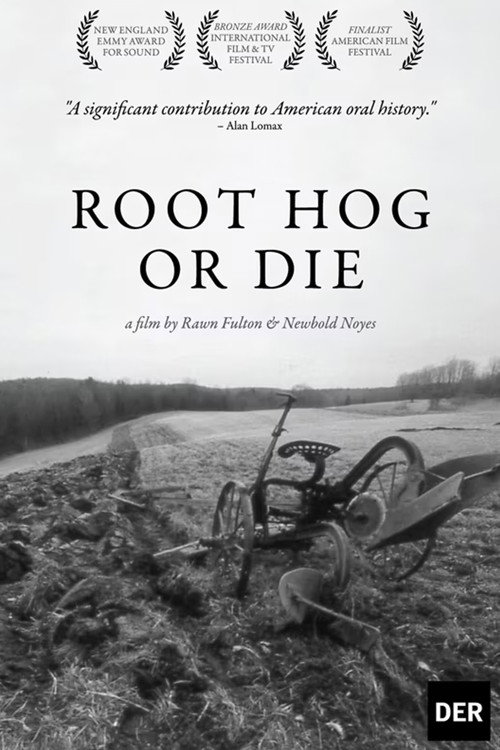
Root Hog or Die 1978
Root Hog or Die (1978) captures a poignant snapshot of rural life in the early 1970s, tracing the agricultural year across the picturesque hilltowns of Western Massachusetts and Southern Vermont.
Director: Newbold Noyes
Frequently Asked Questions
What is Root Hog or Die (1978) about?
This documentary follows the agricultural cycle in Western Massachusetts and Southern Vermont, spotlighting elderly farmers reflecting on their lifelong connection to the land. It explores themes of tradition, change, and the quiet endurance of rural communities as modernity encroaches.
Who directed Root Hog or Die?
Newbold Noyes directed Root Hog or Die (1978), capturing the essence of rural life through intimate storytelling and stunning visuals.
Who stars in Root Hog or Die?
Director information is not available.
Is Root Hog or Die (1978) worth watching?
Root Hog or Die (1978) is a hidden gem for documentary enthusiasts, offering a heartfelt look at a vanishing lifestyle. Though unrated, its authentic portrayal of rural resilience and seasonal rhythms makes it a compelling watch for fans of historical and cultural films.
How long is Root Hog or Die?
Root Hog or Die (1978) runs for 57 minutes.
About Root Hog or Die (1978) — A portrait of rural resilience in New England
Root Hog or Die (1978) captures a poignant snapshot of rural life in the early 1970s, tracing the agricultural year across the picturesque hilltowns of Western Massachusetts and Southern Vermont. Directed by Newbold Noyes, this documentary immerses viewers in the rhythms of a vanishing farming culture through intimate conversations with elderly farmers. Their stories unfold against the backdrop of changing seasons, blending family legacies, personal reflections, and quiet observations on the relentless march of progress. The film radiates a nostalgic warmth, celebrating traditions while acknowledging the bittersweet inevitability of progress.
Shot on location in 1973, Root Hog or Die (1978) is both a time capsule and a meditation on resilience. The elders featured in the film share wisdom forged in adversity, their voices weaving a tapestry of hard-won knowledge and enduring spirit. Noyes' lens captures the rugged beauty of these landscapes and the quiet dignity of those who call them home, making this documentary a moving tribute to a way of life on the brink of disappearance.