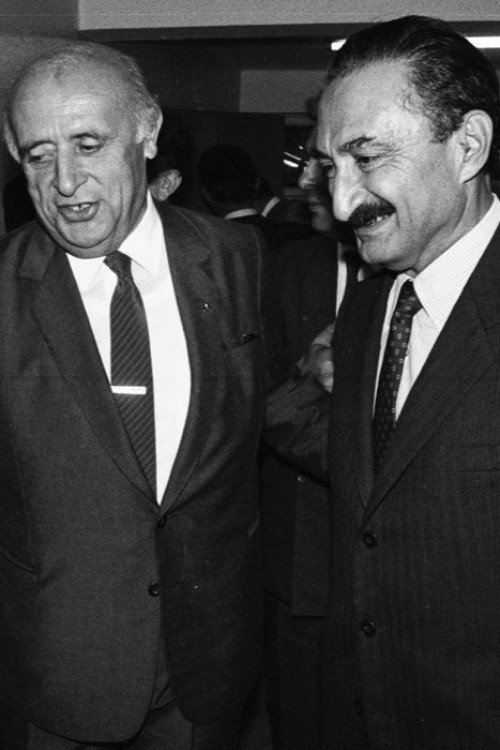
Karaoğlan: Strawberry Blossom 2003
Directed by Can Dündar, *Karaoğlan: Strawberry Blossom* (2003) dives into one of Turkey's most turbulent political eras through a critical lens.
Director: Can Dündar
Cast
Frequently Asked Questions
What is Karaoğlan: Strawberry Blossom (2003) about?
This historical documentary explores the aftermath of Turkey's 1980 military coup, focusing on how politicians like Bülent Ecevit were blamed for the country's crisis. It examines the role of the military in suspending democracy and reshaping national governance, framed through interviews and archival footage.
Who directed Karaoğlan: Strawberry Blossom?
The film was directed by Can Dündar, a prominent Turkish journalist and filmmaker known for his work in political documentaries.
Who stars in Karaoğlan: Strawberry Blossom?
The documentary features prominent figures including Bülent Ecevit, Rahşan Ecevit, Rıvdan Akar, and director Can Dündar, blending historical testimony with personal perspectives.
Is Karaoğlan: Strawberry Blossom (2003) worth watching?
For fans of political history and documentary films, this 43-minute exploration offers a gripping look at a pivotal moment in Turkish democracy. While IMDb ratings are unrated, its themes of power and accountability make it a compelling watch for those interested in the intersection of politics and cinema.
How long is Karaoğlan: Strawberry Blossom?
The documentary runs for 43 minutes.
About Karaoğlan: Strawberry Blossom (2003) — The untold story behind Turkey's 1980 coup
Directed by Can Dündar, *Karaoğlan: Strawberry Blossom* (2003) dives into one of Turkey's most turbulent political eras through a critical lens. This historical documentary examines the fallout of the September 12, 1980 military coup, framed by the ominous silence of democracy's referees—those who reshaped a nation's fate under martial law. With Bülent Ecevit and Rahşan Ecevit at the center, the film unravels how political figures were scapegoated for the crisis, painting a stark picture of power, accountability, and the fragility of governance. Shot in 43 minutes, the film balances archival gravity with personal insight, offering viewers a haunting reflection on how democracy can be suspended in the name of order.
Set against a backdrop of tension and ideological clashes, the documentary immerses audiences in Turkey's 1980s upheaval, where soldiers became the final arbiters of democracy. Through interviews and historical footage, it challenges the narrative that politicians alone were to blame, instead spotlighting the institutional forces that reshaped a country. The atmosphere is somber yet urgent, making it essential viewing for those drawn to political history and the weight of leadership during crisis.