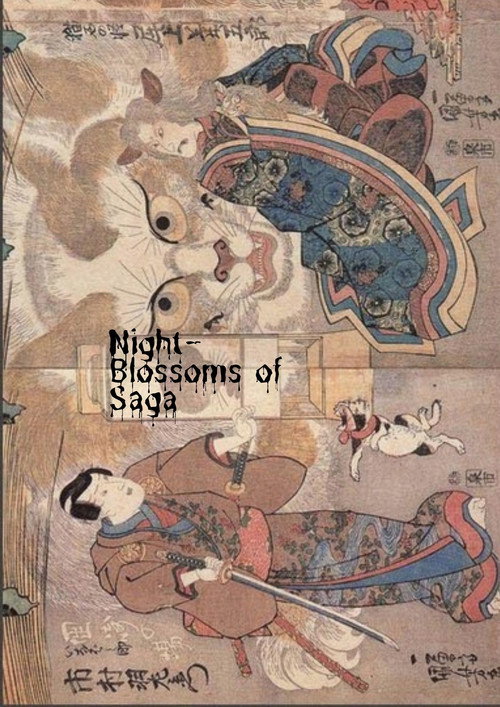
Night-Blossoms of Saga 1910
"Lost film"
Step back into the shadowy dawn of cinema with *Night-Blossoms of Saga (1910)*, an eerie early horror film that planted the seeds for Japan's legendary kaibyo tradition.
Frequently Asked Questions
What is Night-Blossoms of Saga (1910) about?
*Night-Blossoms of Saga* draws from a 19th-century kabuki play to tell a chilling ghost story. A desperate soul takes their own life, and their spirit is reanimated not by human hands, but by a vengeful cat spirit—once beloved, now transformed into a *nekomata*. The feline carries out the deceased's will, weaving a tale of grief and retribution that blurs the border between life and death.
Who directed Night-Blossoms of Saga?
Director information is not available.
Who stars in Night-Blossoms of Saga?
The original cast is unknown, reflecting the film's lost status and the anonymity of early silent-era productions.
Is Night-Blossoms of Saga (1910) worth watching?
Though it's a lost film, *Night-Blossoms of Saga* holds immense historical value for horror fans and cinema historians. Its status as the first *kaibyo* film makes it a key piece of Japanese folklore and early genre evolution. While you can't watch it today, its legend lives on in countless ghost-cat tales that followed.
How long is Night-Blossoms of Saga?
Runtime details are not listed.
About Night-Blossoms of Saga (1910) — The Lost Ghost-Cat Film That Shaped Horror Cinema
Step back into the shadowy dawn of cinema with *Night-Blossoms of Saga (1910)*, an eerie early horror film that planted the seeds for Japan's legendary kaibyo tradition. Lost to time yet preserved in fragmentary whispers, this silent-era gem adapts a haunting 1853 kabuki play by Joko Segawa III, weaving a tale of vengeance spun from sorrow and the supernatural. A tragic soul takes their own life, only to be avenged by a spectral feline spirit—once an ordinary cat, now a vengeful *nekomata* fueled by spilled blood and lingering grief. Bathed in the dim glow of early film technology, the movie crafts an unsettling atmosphere where human sorrow and animal malice blur into one chilling myth.
While much about *Night-Blossoms of Saga* remains shrouded—its director unnamed, its cast forgotten—its cultural footprint is unmistakable. As the first known *kaibyo* or "ghost-cat" film, it bridges Japan's rich theatrical past and cinematic future, offering a glimpse into how folklore evolves onscreen. Though no surviving print exists today, historians celebrate it as a foundational text of horror, where the line between pet and predator dissolves in the service of justice. A lost film steeped in mystery, it still casts a long shadow over the genre it helped birth.