Between 1972
Dive into *Between (1972)*, David Hall's provocative short film that challenges viewers to reconsider their relationship with the screen.
Director: David Hall
Frequently Asked Questions
What is Between (1972) about?
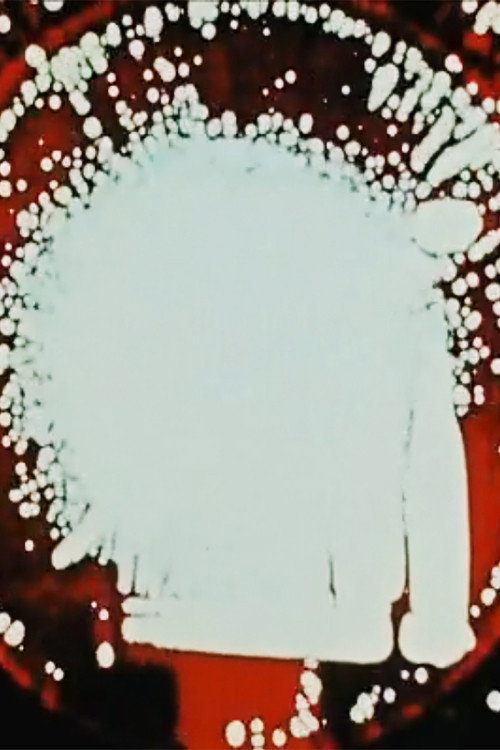
David Hall's *Between* confronts viewers with a disorienting journey through a film's technical DNA. The camera's relentless circling of a lit screen and the projector creates a loop that implicates the audience in its own making, blurring the roles of creator, viewer, and the medium itself.
Who directed Between?
David Hall is the director behind *Between (1972)*. His work is celebrated in experimental and structuralist cinema circles for its bold, thought-provoking approach to filmmaking.
Who stars in Between?
Cast details for *Between (1972)* are not listed in available records.
Is Between (1972) worth watching?
*Between* is a niche, intellectually demanding film best suited for fans of avant-garde cinema. Its 15-minute runtime is a concentrated dose of cerebral engagement, though its lack of narrative or conventional appeal may limit its accessibility for casual viewers.
How long is Between?
*Between (1972)* runs for 15 minutes.
About Between (1972) — A Hypnotic Exploration of Cinema's Hidden Mechanics
Dive into *Between (1972)*, David Hall's provocative short film that challenges viewers to reconsider their relationship with the screen. This experimental work strips away conventions, immersing audiences in a hypnotic loop where the camera circles a lit screen in a theater, then reverses its gaze to confront the projector itself. Hall's structuralist approach deliberately obscures the line between observer and observed, forcing you to question who—or what—is really behind the lens. The film's cyclical repetition, achieved through successive generations of prints, creates a mesmerizing, almost ritualistic atmosphere that lingers long after the credits roll.
Born from avant-garde cinema's heyday, *Between* thrives on its cerebral tension and minimalist precision. Hall's direction eschews traditional storytelling, instead crafting an experience that feels like a puzzle without a solution—one that demands active participation. The flickering interplay of light and shadow, the deliberate pacing, and the absence of dialogue all work together to evoke a sense of existential curiosity. It's a film that doesn't just play in front of you; it seeps into your perception of how cinema itself *works*.