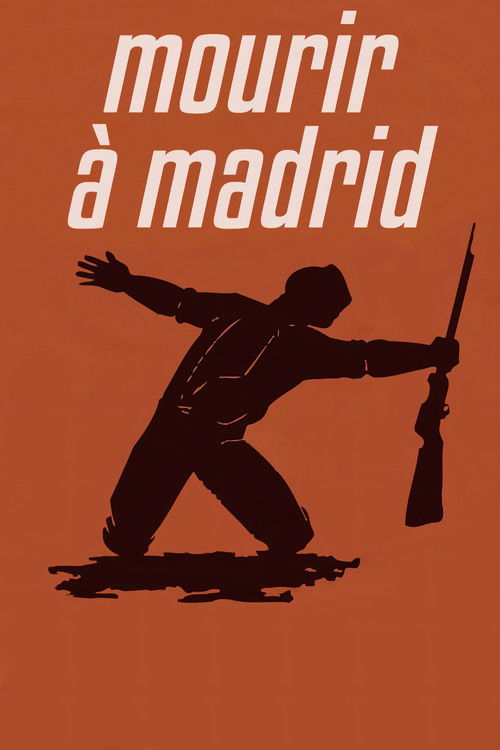
To Die in Madrid 1963
"It was a long time ago..."
Frédéric Rossif's *To Die in Madrid* (1963) is a haunting documentary that revisits the brutal realities of the Spanish Civil War through a mosaic of perspectives.
Director: Frédéric Rossif
Cast


Frequently Asked Questions
What is *To Die in Madrid* (1963) about?
*To Die in Madrid* examines the Spanish Civil War through a collage of perspectives, highlighting key events like the death of Lorca, the bombing of Guernica, and the defense of Madrid. The film juxtaposes historical footage with narration to illuminate the prolonged suffering under Franco's regime.
Who directed *To Die in Madrid*?
Frédéric Rossif directed *To Die in Madrid*. Known for his evocative documentaries, Rossif crafts a visually striking and emotionally resonant portrait of Spain's tumultuous past.
Who stars in *To Die in Madrid*?
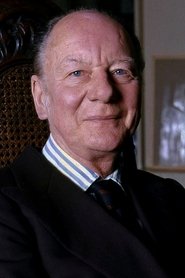
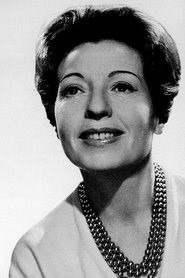
The documentary features narration by John Gielgud, Irene Worth, Suzanne Flon, and Germaine Montero, whose voices bring depth to the harrowing narrative.
Is *To Die in Madrid* (1963) worth watching?
As a documentary, *To Die in Madrid* offers a stark, well-crafted historical perspective that lingers long after viewing. While lacking an IMDb rating, its thematic richness and Rossif's artistry make it compelling for history and film enthusiasts alike.
How long is *To Die in Madrid*?
The film has a runtime of 85 minutes.
To Die in Madrid (1963): A Powerful Documentary on Spain's Civil War — Full Info
Frédéric Rossif's *To Die in Madrid* (1963) is a haunting documentary that revisits the brutal realities of the Spanish Civil War through a mosaic of perspectives. Blending archival footage with poetic narration, the film traces the suffering endured under Franco's regime, spotlighting pivotal moments like the assassination of Federico García Lorca, the devastation of Guernica, and the valiant resistance of Madrid. John Gielgud, Irene Worth, and Suzanne Flon lend their voices to this gripping narrative, which balances historical weight with raw emotional intensity.
More than a historical recount, Rossif's work captures the enduring scars of conflict, weaving together intimate testimonies with sweeping visuals to underscore the human cost of war. The documentary's atmospheric tone—equal parts reverent and urgent—draws viewers into a pivotal chapter of 20th-century history, making it essential viewing for those interested in the intersection of politics, art, and memory.