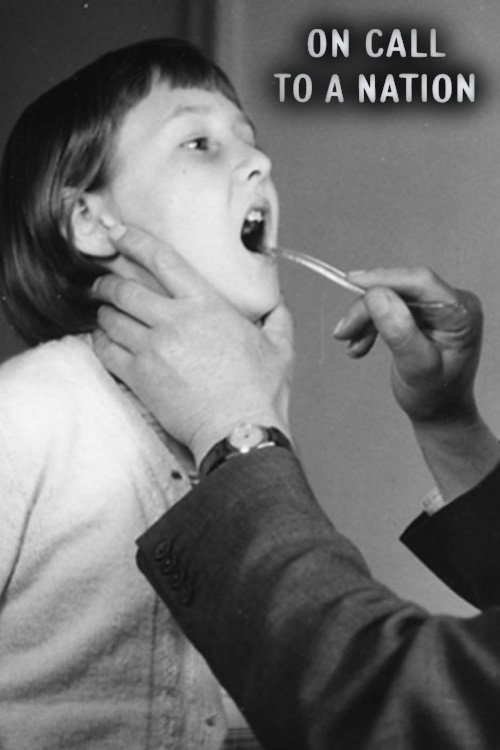
On Call to a Nation 1958
"This is about doctors - and the National Health Service as they see it."
Richard Cawston's *On Call to a Nation (1958)* offers a rare, behind-the-scenes glimpse into the early days of the UK's National Health Service through the eyes of real doctors.
Director: Richard Cawston
Cast
Frequently Asked Questions
What is On Call to a Nation (1958) about?
The film explores the launch of the UK's National Health Service through the experiences of real doctors, blending staged scenarios with real interviews. It highlights the heated debates and mixed emotions surrounding the NHS's creation amid practical challenges and ideological divides.
Who directed On Call to a Nation?
Richard Cawston directed *On Call to a Nation*, crafting a documentary that prioritizes authenticity by using real medical professionals instead of actors.
Who stars in On Call to a Nation?
The film features Colin Wills as the primary presence, representing the doctors whose unscripted perspectives drive the documentary's narrative.
Is On Call to a Nation (1958) worth watching?
While unrated on IMDb, its historical significance and unique approach make it a fascinating watch for fans of documentaries and healthcare history. The documentary's raw, unfiltered style offers genuine insight into the NHS's formative years, though its age may limit its appeal to modern viewers.
How long is On Call to a Nation?
The runtime is 72 minutes.
About On Call to a Nation (1958) — A Raw Documentary on the NHS from the Doctors Who Lived It
Richard Cawston's *On Call to a Nation (1958)* offers a rare, behind-the-scenes glimpse into the early days of the UK's National Health Service through the eyes of real doctors. Blending scripted scenarios with candid interviews, the documentary captures the raw energy, ethical dilemmas, and professional tensions swirling around one of history's most ambitious public healthcare reforms. With its unfiltered perspectives, the film reveals the deep divisions among medical professionals—some celebrated the NHS as a revolutionary step forward, while others questioned its practicality and sustainability.
Atmosphere shifts between the urgency of emergency room crises and the quiet deliberation of policy debates, painting a portrait of a nation at a crossroads. The absence of polished actors lends authenticity, grounding the film in the voices of those who lived the experience rather than performed it. For viewers curious about the foundations of modern healthcare, *On Call to a Nation (1958)* is a compelling time capsule of idealism, conflict, and compromise.