Autostopp 1965
Autostopp (1965) captures the carefree spirit of summer adventure through the lens of Soviet-era Estonia.
Director: Astrid Lepa
Cast
Frequently Asked Questions
What is Autostopp (1965) about?
Autostopp (1965) follows four young men on a hitchhiking adventure across scenic Estonia during summer. The film combines their journey through beautiful locations with musical performances, creating a portrait of youthful freedom and 1960s Estonian culture.
Who directed Autostopp?
Astrid Lepa directed Autostopp (1965), bringing her distinctive vision to this musical travelogue that blends documentary-style footage with concert performances.
Who stars in Autostopp?
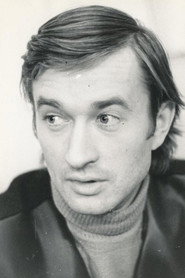
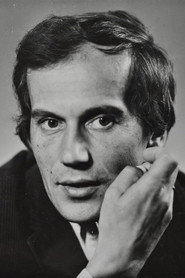
The film features Hans Kaldoja, Tõnu Tamm, Heli Lääts, and the male quartet of Estonian Radio in leading roles.
Is Autostopp (1965) worth watching?
At 15 minutes, Autostopp (1965) offers a unique glimpse into Soviet-era Estonian youth culture and 1960s music. While unrated on IMDb, its historical value and musical performances make it worthwhile for fans of music documentaries and Eastern European cinema.
How long is Autostopp?
Autostopp runs for 15 minutes.
Autostopp (1965): Musical Journey Through Soviet Estonia — Film Info
Autostopp (1965) captures the carefree spirit of summer adventure through the lens of Soviet-era Estonia. Directed by Astrid Lepa, this short concert film follows four young men as they hitchhike across picturesque landscapes, experiencing the beauty of their homeland during the golden season. The journey becomes a musical odyssey, blending scenic travelogue with vibrant performances.
Starring Hans Kaldoja and Tõnu Tamm alongside Heli Lääts and the Estonian Radio male quartet, the film showcases popular 1960s pop tunes that defined the era's sound. At just 15 minutes, Autostopp (1965) serves as both a nostalgic glimpse into Estonian youth culture and a celebration of the decade's musical heritage. The combination of travel imagery and live musical performances creates an atmosphere of youthful freedom and cultural expression unique to its time. This rare TV movie represents an important piece of Estonian cinema history, preserving both visual and auditory memories of the 1960s.