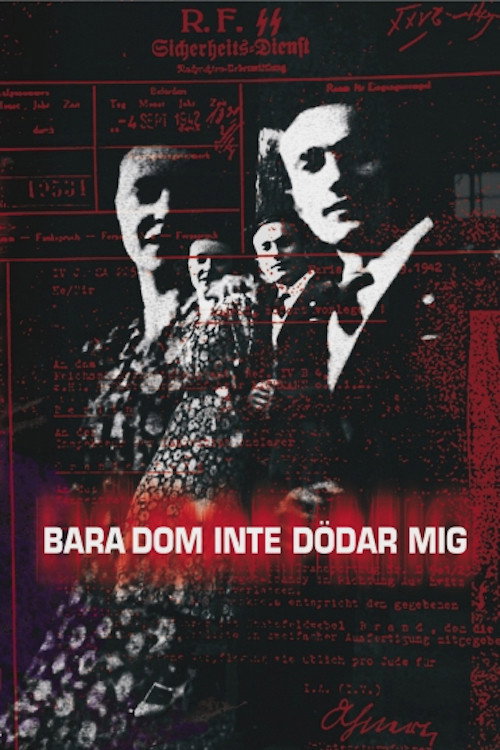
Bara dom inte dödar mig 2003
"Bara dom inte dödar mig" (2003), helmed by director Monica Hirsch, plunges into the raw, unfiltered world of social injustices through the lens of documentary storytelling.
Director: Monica Hirsch
Frequently Asked Questions
What is Bara dom inte dödar mig (2003) about?
This 2003 documentary directed by Monica Hirsch explores the untold stories of individuals navigating systemic oppression and societal neglect. Through personal testimonies and stark visuals, the film reveals the resilience required to survive in a world that often overlooks their struggles.
Who directed Bara dom inte dödar mig?
Bara dom inte dödar mig was directed by Monica Hirsch, a filmmaker known for her powerful, socially conscious documentaries.
Who stars in Bara dom inte dödar mig?
Director information is not available.
Is Bara dom inte dödar mig (2003) worth watching?
As a documentary focused on social justice and human resilience, "Bara dom inte dödar mig" offers a thought-provoking experience. While it lacks a rating, its thematic depth and emotional impact make it a compelling choice for fans of the genre.
How long is Bara dom inte dödar mig?
Runtime details are not listed.
About Bara dom inte dödar mig (2003) — A Swedish Documentary on Survival and Social Justice
"Bara dom inte dödar mig" (2003), helmed by director Monica Hirsch, plunges into the raw, unfiltered world of social injustices through the lens of documentary storytelling. This gripping film strips away the veneer of comfort to expose harsh truths, weaving together personal narratives that challenge the viewer's perception of humanity. With a tone that oscillates between somber reflection and urgent advocacy, Hirsch crafts an atmosphere thick with tension and emotional weight. The documentary's themes orbit around survival, resilience, and the quiet battles ordinary people wage against systemic oppression, all captured in stark, unflinching detail.
Through intimate interviews and candid footage, "Bara dom inte dödar mig" paints a vivid portrait of lives at the margins, where dignity is both a weapon and a vulnerability. The film's power lies in its refusal to soften the edges of reality, instead opting for a visceral authenticity that lingers long after the credits roll. It's a compelling watch for those drawn to documentaries that don't just inform but demand participation in the stories they tell.