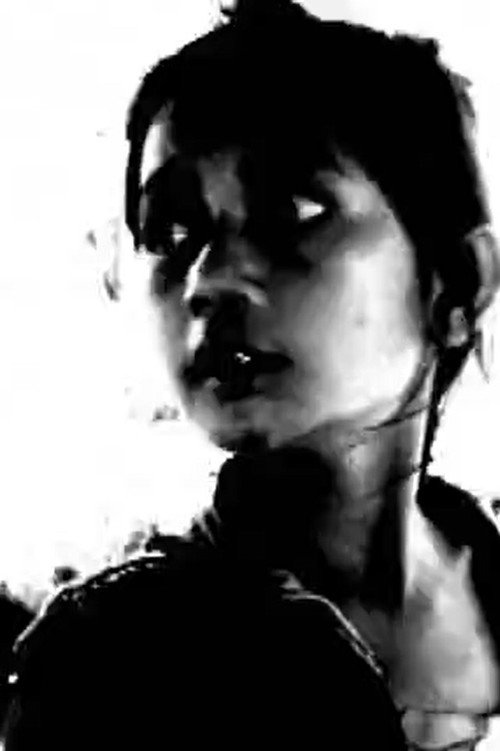
Solar Paludism 2009
Frédérick Maheux's experimental short film *Solar Paludism* (2009) plunges into the depths of Buddhist meditation, using visceral imagery to explore the impermanence of existence.
Director: Frédérick Maheux
Frequently Asked Questions
What is Solar Paludism (2009) about?
The film follows monks performing an analytic meditation where they visualize a woman's body transitioning from flawless beauty to decay and eventual rot. It's a stark exploration of impermanence and the rejection of sensory attachments in Buddhist thought.
Who directed Solar Paludism?
Frédérick Maheux directed *Solar Paludism*. His work often delves into experimental and spiritual themes, blending art with philosophical inquiry.
Who stars in Solar Paludism?
Cast details for *Solar Paludism* (2009) are not publicly listed.
Is Solar Paludism (2009) worth watching?
As a 10-minute avant-garde short, *Solar Paludism* offers a unique, meditative experience for those interested in experimental cinema. Its bold visuals and thematic depth make it stand out, though it's not for casual viewers.
How long is Solar Paludism?
*Solar Paludism* has a runtime of 10 minutes.
About Solar Paludism (2009) — Frédérick Maheux's Haunting Meditation on Mortality
Frédérick Maheux's experimental short film *Solar Paludism* (2009) plunges into the depths of Buddhist meditation, using visceral imagery to explore the impermanence of existence. The 10-minute piece follows monks as they engage in a profound analytic meditation, deconstructing the female form—beginning with idealized beauty and culminating in decay and rot. Through stark visuals, the film confronts the fragility of the body and the rejection of sensory attachments, mirroring themes found in Tibetan spiritual texts. The atmosphere is unsettling yet meditative, blending esoteric ritual with confrontational artistry.
This avant-garde work questions perception and the boundaries between reverence and revulsion. Maheux crafts a stark meditation on mortality, drawing from esoteric Buddhist practices that treat the human form as a transient illusion. The film's stark, unflinching portrayal of transformation invites viewers to reflect on their own relationship with the physical world and the illusory nature of desire.