Coeur de Bohémienne 1911
In the early silent-era drama *Coeur de Bohémienne (1911)*, directed by Gérard Bourgeois, the stage is set for a poignant exploration of love, obsession, and cultural clashes.
Director: Gérard Bourgeois
Cast

Frequently Asked Questions
What is Coeur de Bohémienne (1911) about?
*Coeur de Bohémienne* tells the story of an artist's obsession with a Romany woman whose people resist his advances. After securing her modeling services, he brings her to his studio, only to discover his unrequited love for another woman who rejects him. The film weaves themes of desire, cultural divide, and emotional fragility into a compact silent-era narrative.
Who directed Coeur de Bohémienne?
The film was directed by Gérard Bourgeois, a pioneer of early French cinema whose work often explored intimate human dramas.
Who stars in Coeur de Bohémienne?
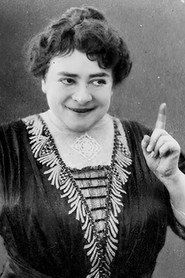
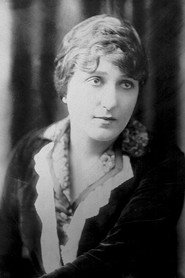
The cast includes Gabrielle Lange, Léontine Massart, Pierre Pradier, Armand Hauterive, and Nadette Darson in prominent roles.
Is Coeur de Bohémienne (1911) worth watching?
While short in runtime, *Coeur de Bohémienne* offers a fascinating glimpse into silent-era drama with themes that resonate today. Though unrated on IMDb, its historical significance and emotional depth make it a curiosity worth exploring for early cinema enthusiasts and fans of period narratives.
How long is Coeur de Bohémienne?
The film runs for approximately 9 minutes, a common length for early silent-era short films.
About Coeur de Bohémienne (1911) — A Silent-Era Drama of Love and Longing Unfolds
In the early silent-era drama *Coeur de Bohémienne (1911)*, directed by Gérard Bourgeois, the stage is set for a poignant exploration of love, obsession, and cultural clashes. The film follows artist Armand Hauterive, whose infatuation with a free-spirited Romany woman, Nadette Darson, sets off a chain of emotional turmoil. When Hauterive catches Nadette's attention, her people initially resist his intentions—only to relent when he offers payment in exchange for her modeling. As she accompanies him to his studio, Nadette soon realizes the depth of Hauterive's unrequited love for another woman, who cruelly rejects him. The movie captures a fleeting moment in cinematic history, where the tension between artistic desire and human connection unfolds against the backdrop of early 20th-century Parisian bohemian life.
With its dramatic themes of longing, rejection, and the fleeting nature of passion, *Coeur de Bohémienne (1911)* offers a snapshot of silent cinema's capacity to convey raw emotion through subtle performances and expressive storytelling. The film's short runtime belies its emotional weight, making it a compelling watch for fans of early drama and historical cinema.