Jobard ne veut pas voir les femmes travailler 1911
In Émile Cohl's *Jobard ne veut pas voir les femmes travailler* (1911), the elegant Lucien Cazalis, sporting a signature monocle, stumbles upon a sight that unsettles his worldview: women hard at work in Parisian streets.
Director: Émile Cohl
Cast
Frequently Asked Questions
What is *Jobard ne veut pas voir les femmes travailler* (1911) about?
The film follows Lucien Cazalis, a dapper Parisian who can't stand seeing women working in public. Unable to stomach the sight, he decides to take over their jobs—with predictably disastrous results. What ensues is a playful, farcical battle of gender roles in early 20th-century France.
Who directed *Jobard ne veut pas voir les femmes travailler*?
The film was directed by Émile Cohl, a pioneer of French silent cinema and animation, known for his innovative and whimsical storytelling.
Who stars in *Jobard ne veut pas voir les femmes travailler*?
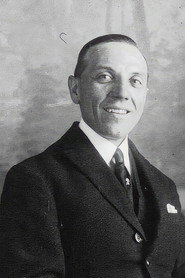
The short film stars Lucien Cazalis, a well-known performer of the era, whose expressive performance drives the comedy.
Is *Jobard ne veut pas voir les femmes travailler* (1911) worth watching?
As a silent-era comedy, it's a fascinating time capsule of early filmmaking and social attitudes. While it's more of a curiosity than a modern masterpiece, fans of slapstick or silent films will appreciate its historical charm. Just don't expect groundbreaking storytelling—its brilliance lies in its simplicity.
How long is *Jobard ne veut pas voir les femmes travailler*?
The film runs for approximately 5 minutes.
About Jobard ne veut pas voir les femmes travailler (1911) — Silent Comedy Classic That Mocks Chauvinism in 5 Minutes
In Émile Cohl's *Jobard ne veut pas voir les femmes travailler* (1911), the elegant Lucien Cazalis, sporting a signature monocle, stumbles upon a sight that unsettles his worldview: women hard at work in Parisian streets. Rather than simply grumbling about this breach of traditional gender roles, the self-proclaimed gentleman decides to take matters into his own hands—by attempting to do the work himself. What follows is a whirlwind of comedic chaos as Cazalis, armed with nothing but good intentions and questionable competence, turns simple tasks into a spectacle of hilarity. Cohl's short film taps into early 20th-century anxieties about shifting gender dynamics, wrapped in the playful absurdity of silent-era slapstick.
This five-minute silent comedy doesn't just mock a chauvinistic perspective; it turns the tables by letting the absurdity of Cazalis's interference speak for itself. Set against the bustling backdrop of early 1900s Paris, the film blends social commentary with the energetic spirit of early cinema. Whether you're a fan of silent films or curious about the evolution of comedy, *Jobard ne veut pas voir les femmes travailler* offers a glimpse into how far we've come—and how humor can challenge norms when the patriarchal ego takes center stage.