Multitudes 1969
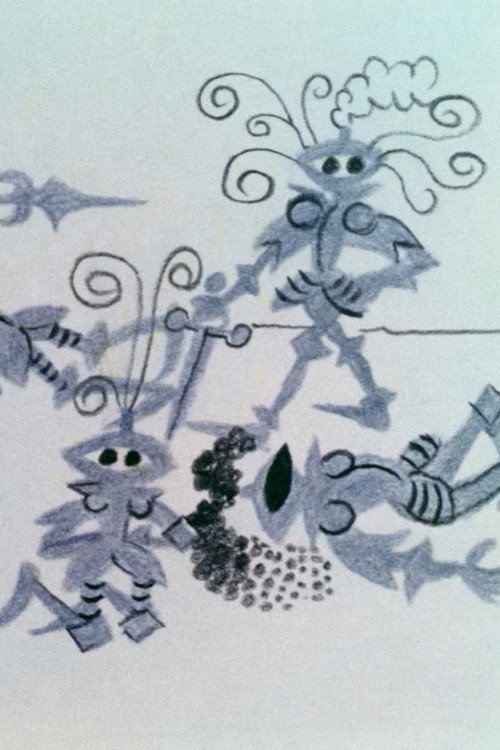
Mogens Zieler's groundbreaking *Multitudes (1969)* pushes the boundaries of animation by blending visual experimentation with rhythmic musicality.
Director: Mogens Zieler
Frequently Asked Questions
What is Multitudes (1969) about?
*Multitudes (1969)* dives into the interplay between visual art and musical rhythm, transforming abstract graphics into a flowing, hypnotic sequence. It's less a story and more an experiment in movement, where shapes and lines evolve in sync with unseen music, creating a sensory experience that blurs the line between animation and abstraction.
Who directed Multitudes?
Mogens Zieler directed *Multitudes (1969)*, a Danish animator known for pushing the boundaries of traditional animation techniques.
Who stars in Multitudes?
No main cast is credited in *Multitudes (1969)*.
Is Multitudes (1969) worth watching?
As a short-form animation experiment, *Multitudes (1969)* is worth watching for its bold artistic vision and rhythmic experimentation. While it may not appeal to audiences seeking a narrative, its technical and aesthetic innovation makes it a fascinating watch for animation enthusiasts and students of experimental film.
How long is Multitudes?
*Multitudes (1969)* has a runtime of 7 minutes.
About Multitudes (1969) — A 7-Minute Animation Masterpiece of Rhythm and Motion
Mogens Zieler's groundbreaking *Multitudes (1969)* pushes the boundaries of animation by blending visual experimentation with rhythmic musicality. This seven-minute short film transforms abstract graphics into a dynamic, almost hypnotic experience, where shapes and lines pulse in sync with sound—an audacious exploration of movement and time. The Danish animator's work here feels like a precursor to modern motion graphics, where every frame serves as both art and rhythm, inviting viewers into a mesmerizing interplay of form and sound. While the cast remains uncredited, Zieler's vision alone ensures this film stands out as a bold, unconventional piece of animation history.
Though brief, *Multitudes (1969)* packs an evocative punch, leaving audiences to ponder its deeper meanings—whether as a study in synesthesia or a playful experiment with perception. The film's minimalist yet striking aesthetic makes it a hidden gem for fans of avant-garde cinema and vintage animation alike, offering a fleeting but unforgettable glimpse into the possibilities of the medium.