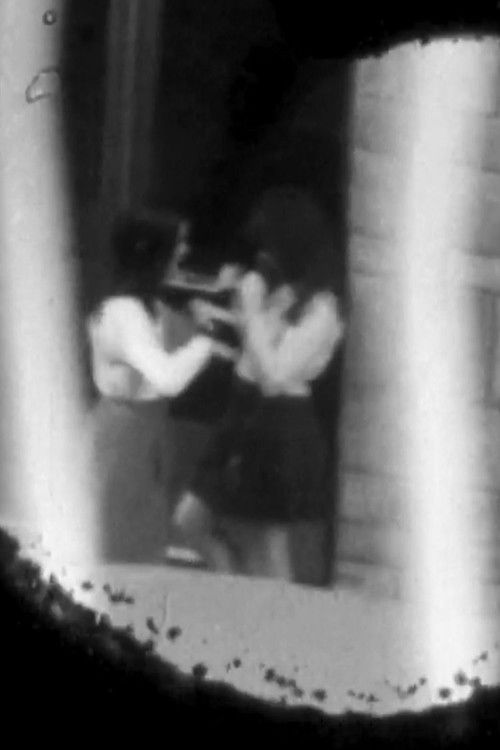
Fractions of Temporary Periods 1969
Piero Bargellini's *Fractions of Temporary Periods* (1969) is a hypnotic, atmospheric short film that blurs the line between observation and cinema itself.
Director: Piero Bargellini
Frequently Asked Questions
What is *Fractions of Temporary Periods* (1969) about?
This short experimental drama explores the intersection of perception, time, and movement through fragmented visuals. Director Piero Bargellini frames everyday moments—light, shadows, fleeting glimpses—as poetic meditations on existence. The film invites viewers to slow down and reconsider how we engage with cinema as both observers and participants.
Who directed *Fractions of Temporary Periods*?
Piero Bargellini directed this avant-garde short film in 1969.
Who stars in *Fractions of Temporary Periods*?
Cast details for *Fractions of Temporary Periods* are not publicly listed.
Is *Fractions of Temporary Periods* (1969) worth watching?
As an unrated experimental short from 1969, *Fractions of Temporary Periods* is best suited for fans of avant-garde cinema. Its meditative pacing and poetic visuals make it a unique experience, though its niche appeal may not resonate with mainstream audiences. If you appreciate films that prioritize atmosphere over narrative, it's worth exploring.
How long is *Fractions of Temporary Periods*?
The runtime of *Fractions of Temporary Periods* is 48 minutes.
About Fractions of Temporary Periods (1969) — Discover Piero Bargellini's Avant-Garde Short Film
Piero Bargellini's *Fractions of Temporary Periods* (1969) is a hypnotic, atmospheric short film that blurs the line between observation and cinema itself. Shot with an almost meditative gaze, the 48-minute drama captures fleeting moments of movement and stillness, inviting viewers to reconsider how we perceive time and space through the lens. The director's instinctive approach transforms everyday scenes—light dancing on a screen, sunlight shifting across a room—into poetic reflections on existence and transience. With its minimalist approach and meditative pacing, the film feels less like a traditional narrative and more like an experiment in visual poetry, where every frame becomes a meditation on the essence of watching.
The result is a work that challenges audiences to engage with cinema as both spectator and participant. Bargellini's fascination with movement, whether in the flight of a bird or the play of shadows, underscores the film's core themes: the fragility of perception, the illusory nature of time, and the way art distills reality into something tangible yet transient. For cinephiles drawn to experimental or avant-garde cinema, *Fractions of Temporary Periods* offers a rare glimpse into the director's early explorations of motion and meaning.