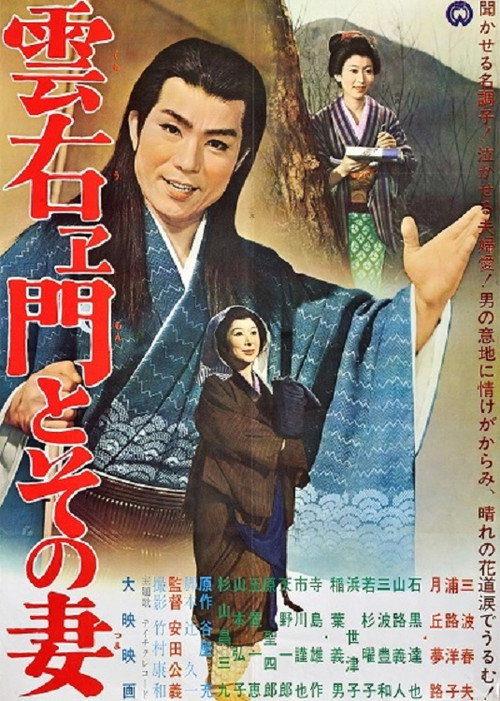
Kumoemon to sono tsuma 1962
Step into post-war Japan with *Kumoemon to sono tsuma (1962)*, a compelling drama directed by Kimiyoshi Yasuda that captures the raw emotions and struggles of ordinary people.
Director: Kimiyoshi Yasuda
Cast



Frequently Asked Questions
What is Kumoemon to sono tsuma (1962) about?
This 1962 Japanese drama directed by Kimiyoshi Yasuda chronicles the trials and tribulations of a married couple, Kumoemon and his wife, as they confront the challenges of post-war life. Their journey is one of quiet strength, highlighting the enduring power of love amid hardship and societal change.
Who directed Kumoemon to sono tsuma?
The film was directed by Kimiyoshi Yasuda, a filmmaker known for his ability to craft emotionally resonant stories.
Who stars in Kumoemon to sono tsuma?
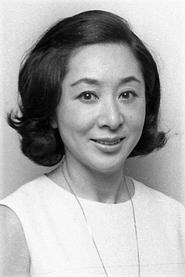
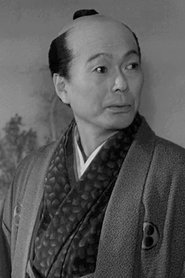
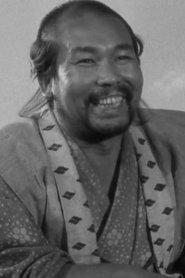
The movie features Haruo Minami and Yōko Uraji in the lead roles, supported by Yumeji Tsukioka, Tatsuya Ishiguro, and Yoshito Yamaji.
Is Kumoemon to sono tsuma (1962) worth watching?
While it lacks an IMDb rating, its concise runtime and thematic depth make it a compelling watch for fans of classic Japanese drama. The film's focus on intimate relationships and historical context offers a rewarding experience for those seeking thought-provoking cinema.
How long is Kumoemon to sono tsuma?
The runtime of Kumoemon to sono tsuma is 88 minutes.
Kumoemon to sono tsuma (1962) — A Hidden Japanese Drama of Love and Sacrifice
Step into post-war Japan with *Kumoemon to sono tsuma (1962)*, a compelling drama directed by Kimiyoshi Yasuda that captures the raw emotions and struggles of ordinary people. The film follows the life of Kumoemon and his wife as they navigate the harsh realities of their time, their relationship tested by societal expectations and personal sacrifices. With a runtime of just 88 minutes, this hidden gem offers a poignant glimpse into the human spirit, blending melancholy with moments of quiet hope. Set against a backdrop of societal transformation, the story explores themes of love, resilience, and the unbreakable bonds that tie families together.
Harnessing the power of emotional storytelling, Yasuda crafts a film that lingers long after the credits roll. Starring Haruo Minami and Yōko Uraji in lead roles, the movie's understated performances draw viewers into its intimate, character-driven narrative. While the genre remains unspecified, its dramatic tone and historical setting evoke the essence of classic Japanese cinema, making it a must-watch for fans of reflective, character-centric films.