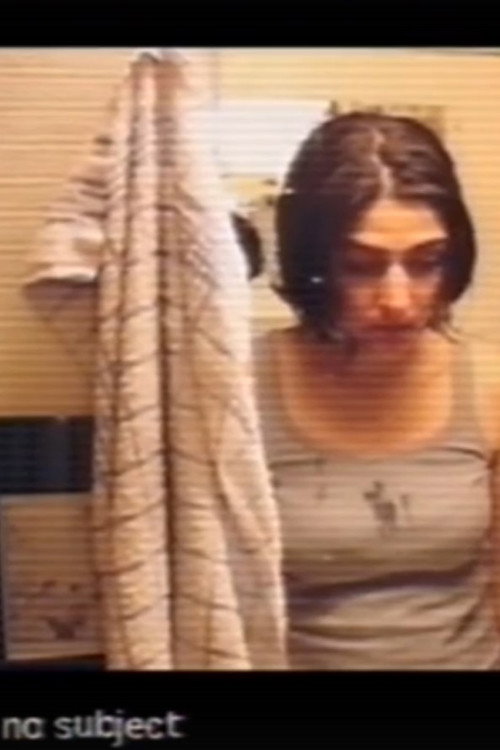
no subject 2002
"no subject (2002)" is a minimalist short film crafted by Margarida Paiva, a director known for her experimental approach to storytelling.
Director: Margarida Paiva
Frequently Asked Questions
What is no subject (2002) about?
This short film by Margarida Paiva explores themes of absence and unspoken emotions through stark visuals and minimal narrative. The title itself hints at its focus on what's deliberately omitted, creating a meditative experience for viewers.
Who directed no subject?
The short film was directed by Margarida Paiva, an artist known for her experimental and visually driven approach to cinema.
Who stars in no subject?
Cast details for this short film are not publicly listed.
Is no subject (2002) worth watching?
With a succinct runtime and an abstract premise, this short film appeals to fans of avant-garde cinema. Its atmospheric style may resonate more with viewers who appreciate thought-provoking visual storytelling over traditional narratives.
How long is no subject?
The film has a runtime of 4 minutes.
About no subject (2002) — A Minimalist Short Film by Margarida Paiva
"no subject (2002)" is a minimalist short film crafted by Margarida Paiva, a director known for her experimental approach to storytelling. This four-minute visual piece strips away conventional narrative to explore themes of silence and absence, inviting viewers to reflect on what isn't said or shown. The film's stark, unadorned style creates an atmosphere of quiet introspection, where empty spaces speak as loudly as any dialogue might. Paiva's direction weaves a subtle tension between presence and void, leaving audiences to decipher the unspoken within the frame.
Though sparse in runtime, the short film packs an atmospheric punch, leveraging minimalism to evoke emotions ranging from curiosity to melancholy. Its enigmatic title mirrors its content—deliberately leaving interpretation open-ended. While the cast remains unlisted, the film's impact lies in its visual language rather than performers, making it a study in cinematic restraint and artistic expression.