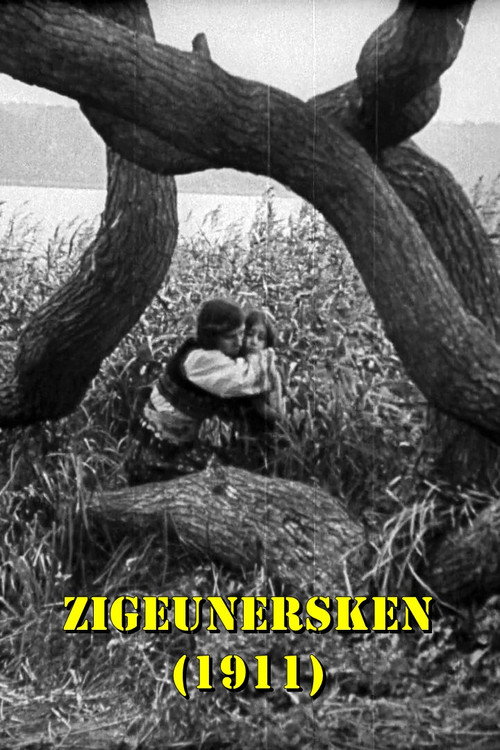
The Love of a Gypsy Girl 1911
In the early 1910s Danish silent film *The Love of a Gypsy Girl* (1911), directed by Einar Zangenberg, a poignant tale of betrayal and redemption unfolds onscreen.
Director: Einar Zangenberg
Cast
Frequently Asked Questions
What is The Love of a Gypsy Girl (1911) about?
This early silent drama follows a gypsy woman who once loved a nobleman, only to be heartbroken when he abandoned her for another. Years later, when her camp kidnaps the count's daughter, she faces an agonizing dilemma—will she punish the child for her past or find redemption in mercy?
Who directed The Love of a Gypsy Girl?
The film was directed by Einar Zangenberg, a pioneering figure in early Danish cinema known for his atmospheric storytelling.
Who stars in The Love of a Gypsy Girl?
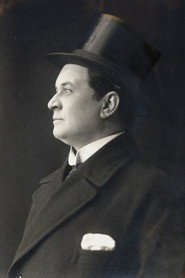
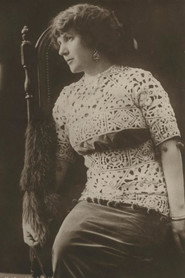
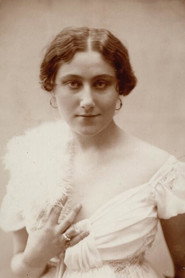
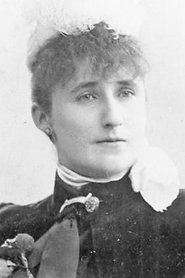
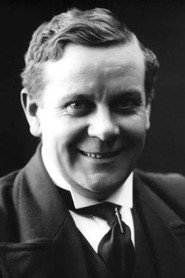
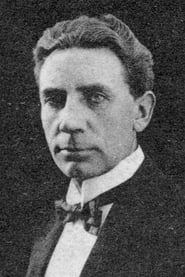
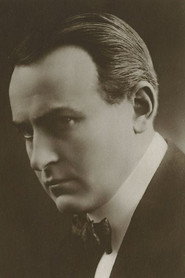
The lead roles are played by Axel Boesen, Edith Buemann, Thilda Fønss, Ella La Cour, and Lauritz Olsen.
Is The Love of a Gypsy Girl (1911) worth watching?
As a silent-era drama, it offers a fascinating glimpse into early filmmaking with strong emotional stakes and historical intrigue. While silent films demand patience, its themes of betrayal and redemption remain compelling for fans of classic cinema.
How long is The Love of a Gypsy Girl?
The Love of a Gypsy Girl runs for 14 minutes.
About The Love of a Gypsy Girl (1911) — Silent-Era Drama of Betrayal and Redemption
In the early 1910s Danish silent film *The Love of a Gypsy Girl* (1911), directed by Einar Zangenberg, a poignant tale of betrayal and redemption unfolds onscreen. Set against the backdrop of a wandering gypsy camp, the story centers on a woman whose past love for a nobleman left her scarred when he abandoned her for a wealthier match. Years later, when desperation drives gypsies to kidnap the count's young daughter, fate forces her to confront her former flame—now embodied in the child's innocent face. Torn between vengeance and compassion, her choice becomes a powerful exploration of loyalty, justice, and the lingering wounds of lost love.
Zangenberg's atmospheric direction and the emotional depth of the cast—led by Axel Boesen, Edith Buemann, and Thilda Fønss—bring this silent-era drama to life with striking visual storytelling. The film navigates themes of societal exclusion, moral conflict, and the blurred lines between right and wrong, all wrapped in the rich textures of early 20th-century cinema.