Instalment 1972
Dive into the quirky world of *Instalment (1972)*, a Danish animated short that blends satire with a cautionary tale about consumerism. Directed by Bent H.
Director: Bent H. Barfod
Frequently Asked Questions
What is Instalment (1972) about?
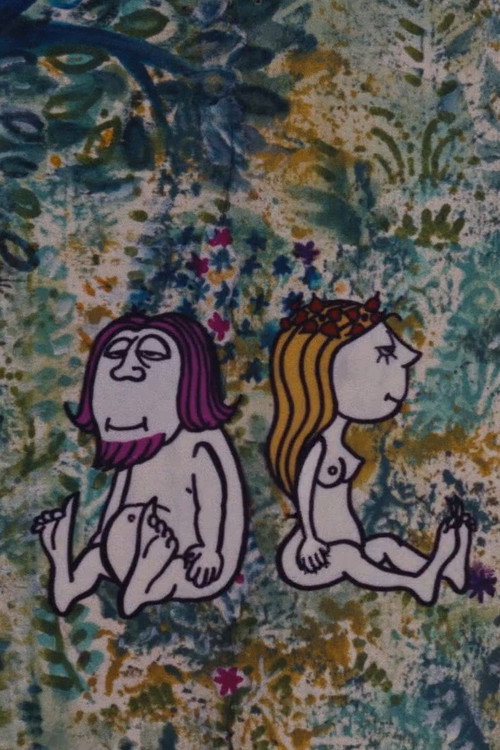
This animated short explores the pitfalls of living beyond your means through the lens of Adam and Eve. Trapped in a cycle of debt, they discover the hard way that the installment system's convenience turns into an inescapable hamster wheel.
Who directed Instalment?
The film was directed by Bent H. Barfod, a Danish filmmaker known for blending humor with social commentary in his animated works.
Who stars in Instalment?
The main characters are Adam and Eve, depicted in this satirical take on modern consumerism.
Is Instalment (1972) worth watching?
While the film is unrated on IMDb, its sharp satire and nostalgic animation make it a hidden gem for fans of short, thought-provoking cinema. The 7-minute runtime is a bonus for those seeking bite-sized entertainment with substance.
How long is Instalment?
The runtime of *Instalment* is 7 minutes.
About Instalment (1972) — A 7-Minute Animated Satire on Consumerism
Dive into the quirky world of *Instalment (1972)*, a Danish animated short that blends satire with a cautionary tale about consumerism. Directed by Bent H. Barfod, this seven-minute film follows Adam and Eve as they spiral into a modern dilemma—buying everything on credit only to find themselves trapped in the endless cycle of debt. With sharp humor and a fable-like edge, the film critiques the seductive yet perilous allure of the installment system, where convenience comes at a cost. The cozy, retro animation style contrasts with the biting social commentary, creating an atmosphere that's both nostalgic and thought-provoking.
As a humorous fable, *Instalment* doesn't just entertain; it challenges viewers to reflect on materialism and financial responsibility. The film's minimalist storytelling packs a punch, proving that even a short runtime can deliver a powerful message. Perfect for fans of animated satire or anyone who's ever felt the squeeze of overspending, this 1972 gem remains surprisingly relevant today.