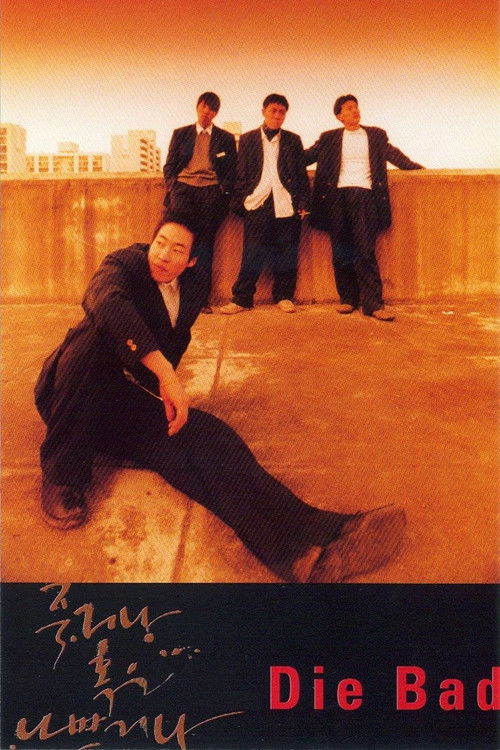
Die Bad 2000
Ryoo Seung-wan's 2000 crime-action anthology *Die Bad (2000)* weaves four stylistically distinct episodes into a raw exploration of male aggression, both personal and communal.
Director: Ryoo Seung-wan
Cast
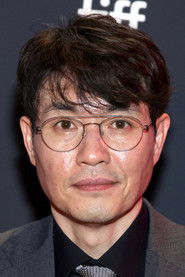
Ryoo Seung-wan
Seok-whan

Ryoo Seung-bum
Sang-whan
Park Seong-bin
Seong-bin

Im Won-hee
Detective Lee

Jung Jae-young
Seong-bin's Older Brother

Kim Su-hyun
Hyun-soo
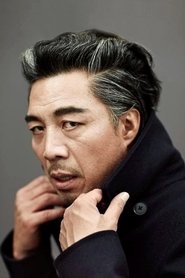
An Kil-kang
Seok-hwan's Senior
Bae Joong-sik
Tae-hoon
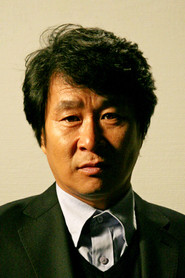
Ki Joo-bong
Auto Repair Boss
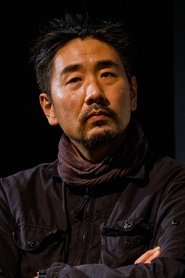
Chung Chung-hoon
Senior Employee
Frequently Asked Questions
What is Die Bad (2000) about?
*Die Bad (2000)* unfolds in four interwoven episodes that dissect the causes and consequences of male aggression, from street-level turf wars to personal vendettas. The anthology style allows Ryoo Seung-wan to showcase diverse tones—from noir-tinged crime to darkly comic confrontations—while keeping the focus on how violence shapes identity and destiny.
Who directed Die Bad?
The film was directed by Ryoo Seung-wan, a key figure in South Korea's crime and action cinema.
Who stars in Die Bad?
The ensemble cast includes Ryoo Seung-wan, his brother Ryoo Seung-bum, Park Seong-bin, Im Won-hee, Jung Jae-young, and Kim Su-hyun, each bringing intensity to their roles.
Is Die Bad (2000) worth watching?
If you appreciate taut crime dramas with a creative twist, *Die Bad (2000)* is absolutely worth watching. While it lacks an IMDb rating, its inventive structure, bold performances, and unflinching look at male aggression make it a standout in early 2000s Korean cinema.
How long is Die Bad?
The runtime for *Die Bad (2000)* is 95 minutes.
🎥 Trailer
About Die Bad (2000) — A Brutal, Stylish Anthology of Male Volatility
Ryoo Seung-wan's 2000 crime-action anthology *Die Bad (2000)* weaves four stylistically distinct episodes into a raw exploration of male aggression, both personal and communal. Through intersecting characters and shifting tones, the film dissects the roots and repercussions of violence, blending street-level grit with stark individual confrontations. The result is a fragmented yet cohesive narrative that oscillates between dark humor and brutal realism, capturing the chaotic energy of Korean crime cinema at the turn of the millennium.
What sets *Die Bad (2000)* apart is its inventive structure, where each vignette reinforces the overarching themes of power, identity, and consequence. Ryoo Seung-wan's direction infuses the project with a visceral immediacy, while the ensemble cast—led by the director himself alongside Ryoo Seung-bum and Park Seong-bin—delivers performances that crackle with intensity and authenticity.