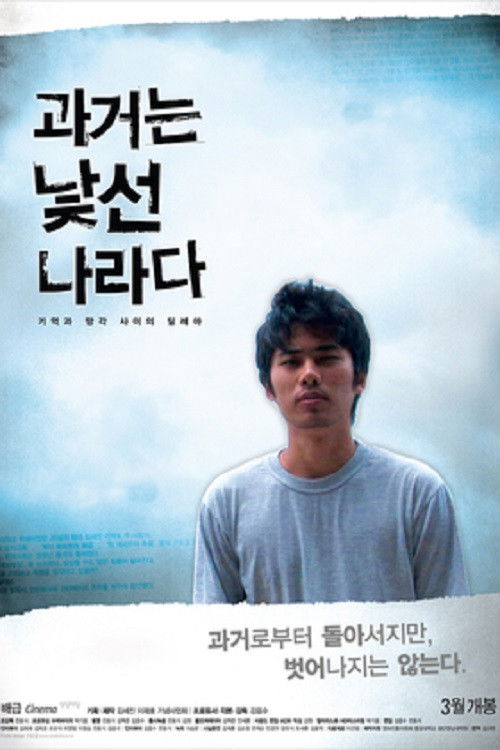
The Past is a Strange Country 2008
Directed by Kim Eung-soo, *The Past is a Strange Country* (2008) is a gripping 90-minute documentary that revisits a pivotal yet overlooked chapter in South Korean history.
Director: Kim Eung-soo
Cast
Frequently Asked Questions
What is The Past is a Strange Country (2008) about?
This documentary revisits the 1986 tragedy where two students set themselves ablaze during a protest against forced conscription and U.S. military presence. Their final act of defiance, rooted in anti-war slogans, becomes a lens to examine the era's political unrest and the personal toll of activism.
Who directed The Past is a Strange Country?
The film was directed by Kim Eung-soo, who also serves as a central figure in the documentary, blending personal and historical perspectives.
Who stars in The Past is a Strange Country?
The documentary features Kim Eung-soo and Jeon Ho-sik as key participants, alongside archival interviews with the students' families and fellow protesters.
Is The Past is a Strange Country (2008) worth watching?
As a political documentary grounded in real-life drama, *The Past is a Strange Country* offers a rare glimpse into a pivotal moment in South Korean history. Its raw storytelling and historical weight make it compelling for documentary enthusiasts, though its niche subject matter may limit broader appeal.
How long is The Past is a Strange Country?
The runtime is 90 minutes.
About The Past is a Strange Country (2008) — A documentary on student protest and sacrifice in 1980s Seoul
Directed by Kim Eung-soo, *The Past is a Strange Country* (2008) is a gripping 90-minute documentary that revisits a pivotal yet overlooked chapter in South Korean history. On April 28, 1986, the self-immolation of two students, Kim Se-jin and Lee Jae-ho, during a protest against forced conscription and U.S. military influence became a defiant cry for peace and reunification. Their final words—"No war, no nuclear weapons"—echo through the film as it explores the raw emotions, political tensions, and societal fractures of the era. Blending archival footage with personal reflections, the documentary captures the urgency and desperation of a generation demanding change amid authoritarian rule.
The film immerses viewers in the chaotic atmosphere of Seoul National University's Sinrim crossroads, where hundreds of students gathered to resist what they saw as unjust conscription policies. Through intimate interviews and stark visuals, *The Past is a Strange Country* frames their sacrifice not as a tragic footnote but as a symbolic act of resistance. It challenges audiences to confront the weight of history and the enduring relevance of its themes—anti-war sentiment, anti-imperialism, and the quest for reunification—making it a haunting yet essential watch for those interested in political documentaries and South Korean history.