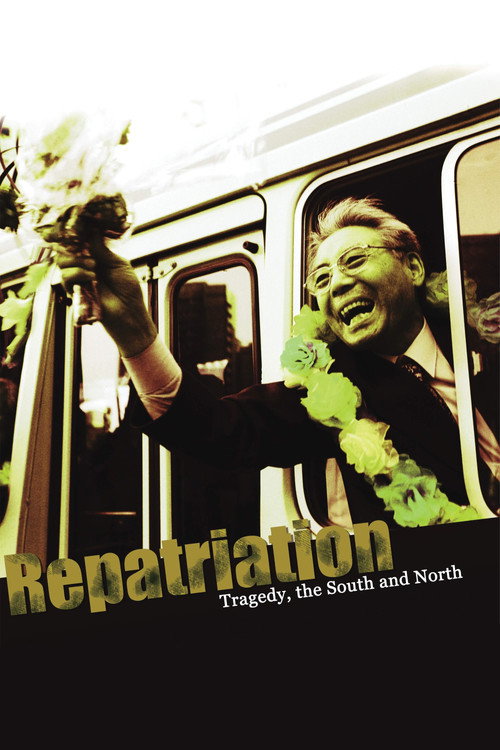
Repatriation 2004
Repatriation (2004) is a poignant documentary that delves into the lives of North Korean political prisoners who settled in South Korea after being released from decades-long imprisonment.
Director: Kim Dong-won
Frequently Asked Questions
What is Repatriation (2004) about?
Repatriation follows the lives of North Korean political prisoners who were released from decades-long imprisonment in South Korea, offering a deeply personal perspective on the human cost of war.
Who directed Repatriation?
The documentary was directed by Kim Dong-won, a filmmaker who drew inspiration from his personal connection to the subject matter.
Who stars in Repatriation?
Unfortunately, the main cast of Repatriation is not listed.
Is Repatriation (2004) worth watching?
As an unrated documentary, Repatriation may not appeal to all viewers, but its thought-provoking narrative and emotional depth make it a compelling watch for those interested in history and politics.
How long is Repatriation?
Repatriation has a runtime of 149 minutes.
About Repatriation (2004) — A Glimpse into North Korea's Hidden Past
Repatriation (2004) is a poignant documentary that delves into the lives of North Korean political prisoners who settled in South Korea after being released from decades-long imprisonment. Filmmaker Kim Dong-won, who lived in the same town, offers a deeply personal perspective on the human cost of war and the struggles of those who endured years of torture. This 149-minute film is a thought-provoking exploration of a country divided by an ongoing cold war.
Through the stories of these former prisoners, Repatriation sheds light on the resilience of the human spirit and the complexities of a nation torn apart by conflict. With its gripping narrative and emotional depth, this documentary is a must-watch for those interested in history, politics, and the human experience.
Directed by Kim Dong-won, Repatriation is a powerful and moving film that challenges viewers to consider the consequences of war and the importance of understanding and empathy.