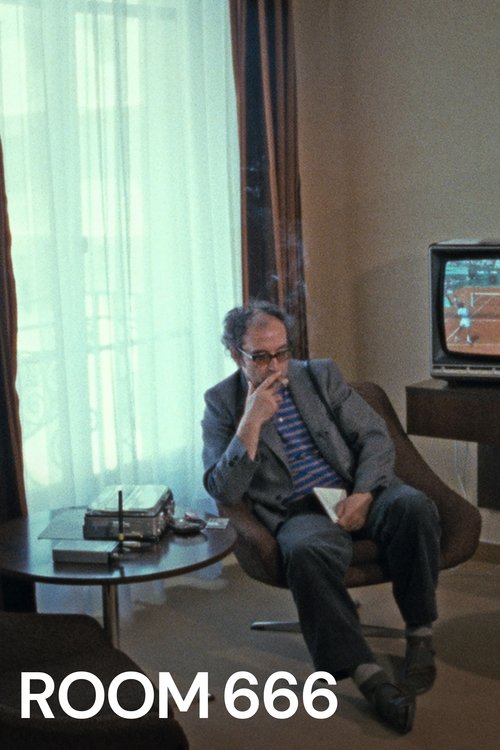
Room 666 1982
"Is cinema a language about to get lost, an art about to die?"
In Room 666 (1982), acclaimed director Wim Wenders transforms a simple hotel room into a playful yet profound stage during the Cannes Film Festival.
Director: Wim Wenders
Cast



Frequently Asked Questions
What is Room 666 (1982) about?
Wim Wenders invited influential directors to a hotel room during Cannes 1982 to discuss cinema's future in an unscripted, one-on-one format. The result is a fragmented yet fascinating snapshot of artistic anxiety and innovation.
Who directed Room 666?
The film was directed by Wim Wenders, the German auteur known for poetic visual storytelling and genre-defying projects.
Who stars in Room 666?
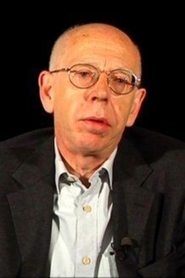
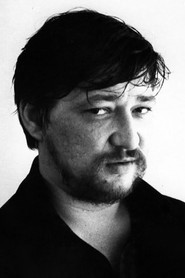
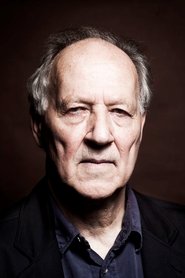
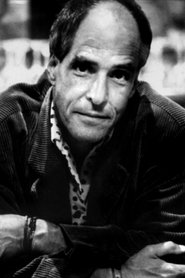
Notable participants include Jean-Luc Godard, Paul Morrissey, Mike de Leon, Monte Hellman, and Susan Seidelman—each bringing their unique perspective to the conversation.
Is Room 666 (1982) worth watching?
Though unrated and short in length, Room 666 offers a rare, behind-the-scenes peek into the thoughts of cinema legends. Its experimental nature and philosophical depth make it a hidden gem for film buffs and curious viewers alike.
How long is Room 666?
The film runs for 45 minutes, offering a concise but impactful viewing experience.
🎥 Trailer
About Room 666 (1982) — Wim Wenders' Cannes Film Festival experiment on the future of cinema
In Room 666 (1982), acclaimed director Wim Wenders transforms a simple hotel room into a playful yet profound stage during the Cannes Film Festival. The documentary captures candid conversations with legendary filmmakers—including Jean-Luc Godard and Paul Morrissey—as they grapple with a single, weighty question: *What is the future of cinema?* Within this intimate setting, egos clash and ideas collide, revealing both the anxiety and optimism surrounding the art form.
Stripped of fancy setups, the film thrives on raw spontaneity, mirroring the uncertainty it explores. Wenders' unfiltered lens offers a rare glimpse into the minds of auteurs debating whether cinema is evolving or fading—a debate that feels as urgent today as it did 40 years ago.