Kráľ sa zabáva 1971
In the early 1970s, Slovak cinema explored the complexities of human relationships through intimate storytelling, and *Kráľ sa zabáva* (1971) stands as a poignant example.
Director: Pavol Haspra
Cast

Frequently Asked Questions
What is Kráľ sa zabáva (1971) about?
This Slovak drama centers on a teacher whose life is upended by a passionate romance that clashes with the rigid expectations of his community. As he grapples with duty and desire, the film explores themes of love, sacrifice, and the quiet battles fought in everyday life.
Who directed Kráľ sa zabáva?
Pavol Haspra directed *Kráľ sa zabáva*, bringing a sensitive and introspective approach to this 1971 drama.
Who stars in Kráľ sa zabáva?
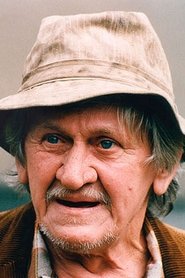
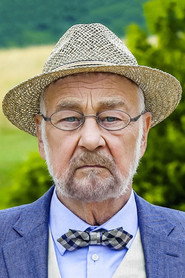
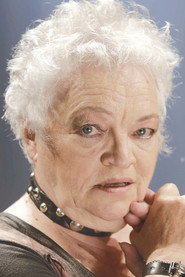
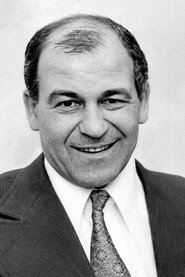
The film features a talented cast including Július Vašek as the lead, alongside Soňa Valentová, Leopold Haverl, Ida Rapaičová, and Ivan Rajniak.
Is Kráľ sa zabáva (1971) worth watching?
While the film isn't widely available today, its heartfelt storytelling and strong performances make it a compelling watch for fans of 1970s European drama. Those who appreciate slow-burn romantic tales with social depth will find it particularly rewarding.
How long is Kráľ sa zabáva?
Runtime details are not listed for *Kráľ sa zabáva* (1971).
About Kráľ sa zabáva (1971) — A Forgotten Romance from the Heart of Slovakia
In the early 1970s, Slovak cinema explored the complexities of human relationships through intimate storytelling, and *Kráľ sa zabáva* (1971) stands as a poignant example. Directed by Pavol Haspra, this drama unfolds against Slovakia's rural backdrop, where love, ambition, and societal expectations intertwine. The film follows the life of a small-town teacher whose quiet existence is disrupted by a passionate but complicated romance, revealing the fragility of personal dreams in a world resistant to change. Haspra's nuanced direction blends melancholic realism with tender emotional beats, immersing viewers in a world where every decision carries weight.
Július Vašek shines as the protagonist, navigating a relationship tested by tradition and personal growth, while Soňa Valentová and Leopold Haverl bring depth to supporting roles, adding layers of tension and tenderness. The film's romance is tempered by the harsh realities of life, creating a bittersweet atmosphere that lingers long after the credits roll. With its rich character dynamics and evocative setting, *Kráľ sa zabáva* (1971) captures the essence of early 70s Czechoslovakian cinema—where heartfelt drama meets unflinching social observation.