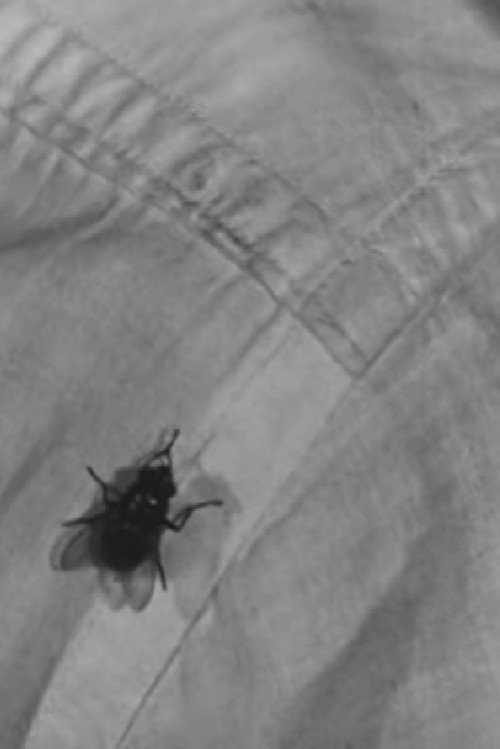
A Town Without Flies 1950
A short but historically significant 1950 documentary from Keiji Yoshino, *A Town Without Flies* captures the spirit of post-war Japan through the lens of community effort.
Director: Keiji Yoshino
Frequently Asked Questions
What is A Town Without Flies (1950) about?
This 1950 documentary follows elementary school students in Hokkaido as they launch a fly eradication campaign to improve school hygiene and community sanitation. The film documents their efforts to eliminate breeding grounds and encourage cleanliness, framed as a lesson in civic responsibility and environmental care.
Who directed A Town Without Flies?
Keiji Yoshino directed *A Town Without Flies*. The film was produced as part of Iwanami Film Productions' new Social Studies Teaching Film System, marking a pioneering effort in educational cinema.
Who stars in A Town Without Flies?
Director information is not available.
Is A Town Without Flies (1950) worth watching?
While not a commercial release, *A Town Without Flies* offers valuable historical and educational insight into post-war Japanese society and school life. As a 12-minute documentary, it's best appreciated for its cultural significance and straightforward storytelling rather than entertainment value.
How long is A Town Without Flies?
The film runs for 12 minutes.
About A Town Without Flies (1950): Post-War Japan's First Social Studies Film
A short but historically significant 1950 documentary from Keiji Yoshino, *A Town Without Flies* captures the spirit of post-war Japan through the lens of community effort. Set in Hokkaido's Mizukaido Elementary School, the film follows young students leading a fly extermination campaign as part of a broader push for school hygiene and public health. Beyond its educational purpose, the 12-minute short reflects Japan's focus on rebuilding society through collective responsibility and sanitary reform after World War II. Shot with the support of local teachers and families, this pioneering work was the first in Iwanami Film Productions' Social Studies Teaching Film System, blending practical teaching with cinematic storytelling.
The atmosphere is cooperative and earnest, emphasizing teamwork and civic engagement. While simple in structure, the documentary offers a fascinating snapshot of mid-20th century Japanese education and environmental awareness. Though modest in scale, *A Town Without Flies* (1950) stands as a testament to how small actions—like swatting flies and cleaning streets—can shape a healthier future.