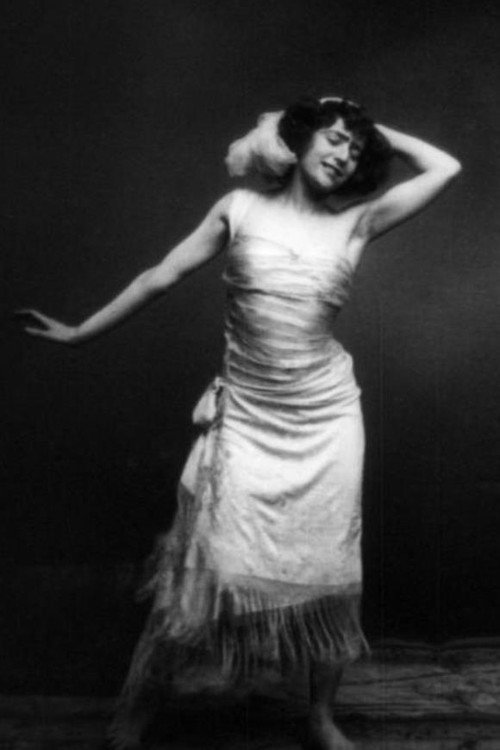
A Belly Dancer 1905
Dive into one of the earliest surviving cinematic records of belly dance in A Belly Dancer (1905), a fascinating one-minute silent documentary directed by pioneering Danish filmmaker Peter Elfelt.
Director: Peter Elfelt
Frequently Asked Questions
What is A Belly Dancer (1905) about?
This one-minute silent documentary features an anonymous female dancer performing a belly dance, offering a historical snapshot of early 20th-century performance art. The film focuses solely on the dancer's movements, creating an intimate yet distant portrait of cultural expression.
Who directed A Belly Dancer?
A Belly Dancer was directed by Peter Elfelt, a Danish filmmaker known for his groundbreaking work in early cinema during the 1900s.
Who stars in A Belly Dancer?
The film features an unknown female dancer whose identity remains uncredited in historical records.
Is A Belly Dancer (1905) worth watching?
While extremely brief, A Belly Dancer (1905) is a fascinating historical artifact for film buffs and cultural historians. Its significance as one of the earliest motion pictures to document belly dance makes it a compelling watch for those interested in the origins of cinema and dance styles.
How long is A Belly Dancer?
A Belly Dancer runs for approximately 1 minute.
About A Belly Dancer (1905) — The Earliest Surviving Belly Dance Film on Record
Dive into one of the earliest surviving cinematic records of belly dance in A Belly Dancer (1905), a fascinating one-minute silent documentary directed by pioneering Danish filmmaker Peter Elfelt. This short film captures a mesmerizing performance by an unidentified female dancer, offering a rare glimpse into early 20th-century entertainment and cultural expression. The black-and-white footage exudes a timeless allure, blending raw artistry with historical intrigue as the dancer's fluid movements unfold against a minimalist backdrop.
Styled within the documentary genre, A Belly Dancer (1905) stands as a curious artifact that bridges Victorian-era curiosity with the dawn of motion pictures. While the dancer's identity remains a mystery, the film's enduring appeal lies in its unfiltered portrayal of movement and rhythm, evoking themes of sensuality, cultural exchange, and the evolution of visual storytelling. For film historians and enthusiasts alike, this brief yet captivating clip is a treasure trove of early cinema innovation.