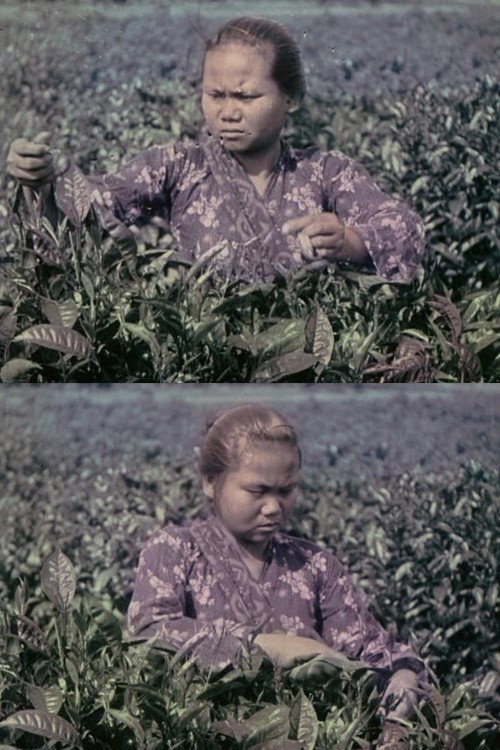
Le Thè : culture, récolte et préparation industrielle 1909
Step back to 1909 with this rare early documentary short that offers a mesmerizing glimpse into the art of tea production.
Frequently Asked Questions
What is *Le Thè : culture, récolte et préparation industrielle* (1909) about?
This seven-minute documentary transports viewers to the heart of early 20th-century tea cultivation, from the careful nurturing of tea plants to the mechanical processing that transformed raw leaves into a global commodity. It's a concise yet immersive look at the intersection of agriculture, industry, and tradition.
Who directed *Le Thè : culture, récolte et préparation industrielle*?
Director information is not available for this early silent documentary.
Who stars in *Le Thè : culture, récolte et préparation industrielle*?
As a documentary without credited actors, the film's true stars are the tea fields, the harvesters, and the industrial machinery that bring the process to life.
Is *Le Thè : culture, récolte et préparation industrielle* (1909) worth watching?
While it's a niche film, its historical significance as an early color documentary makes it a fascinating watch for film buffs and tea enthusiasts. Its novelty more than compensates for its brevity, offering a unique window into the past.
How long is *Le Thè : culture, récolte et préparation industrielle*?
This short film runs for 7 minutes.
Le Thè : culture, récolte et préparation industrielle (1909): A Rare 1909 Documentary on Tea Production
Step back to 1909 with this rare early documentary short that offers a mesmerizing glimpse into the art of tea production. Directed by an unknown filmmaker, *Le Thè : culture, récolte et préparation industrielle* unfolds like a time capsule, documenting the delicate balance of nature and industry behind every steaming cup. Through the lens of Pathecolor's pioneering process, viewers witness lush tea fields, meticulous harvesting techniques, and the rhythmic choreography of tea preparation—all bathed in the soft, vibrant hues of early color cinematography. The film captures not just a process, but a cultural moment, where tradition meets mechanical innovation.
Though modest in length, this seven-minute documentary is a visual feast for early cinema enthusiasts and tea aficionados alike. The atmosphere is one of quiet fascination, as the camera lingers on the interplay between human hands and industrial machinery. Without actors or a script, the film's power lies in its authenticity, transporting audiences to a world where the global tea trade was still in its infancy. *Le Thè : culture, récolte et préparation industrielle* isn't just a historical artifact—it's a celebration of the everyday magic behind one of the world's most beloved beverages.