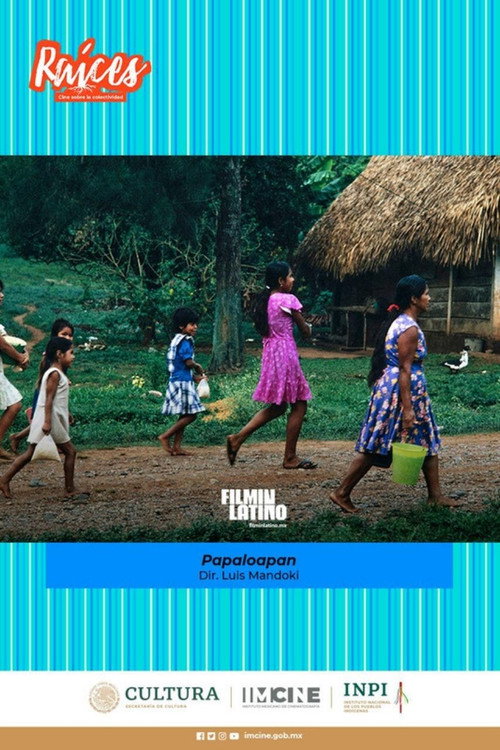
Papaloapan 1981
Luis Mandoki's 1981 documentary 'Papaloapan' sheds light on the devastating impact of dam construction on indigenous populations.
Frequently Asked Questions
What is Papaloapan (1981) about?
The documentary sheds light on the impact of dam construction on indigenous populations, specifically the Mazatec and Chinantec people.
Who directed Papaloapan?
Director information is not available.
Who stars in Papaloapan?
Unfortunately, the cast details are not available.
Is Papaloapan (1981) worth watching?
While 'Papaloapan' may not have a high IMDb rating, its powerful themes and striking visuals make it a thought-provoking addition to the documentary genre.
How long is Papaloapan?
The documentary has a runtime of 50 minutes.
About Papaloapan (1981) — A Powerful Documentary Exposing the Devastating Impact of Dam Construction
Luis Mandoki's 1981 documentary 'Papaloapan' sheds light on the devastating impact of dam construction on indigenous populations. The film's powerful visuals serve as a poignant reminder of the consequences of progress, leaving viewers with a haunting sense of loss and displacement. By witnessing the struggles of the Mazatec and Chinantec people, we are forced to confront the complexities of human displacement and the importance of preserving cultural heritage. Papaloapan is a crucial visual testimony that offers a glimpse into the lives of those affected by the construction of the Miguel Alemán and Cerro de Oro dams.
As we delve into the world of 'Papaloapan', we are met with a sense of urgency and desperation, a cry for recognition and understanding. The film's themes of displacement, resilience, and the struggle for identity are timeless and universal, making it a powerful addition to the documentary genre. With its thought-provoking narrative and striking visuals, 'Papaloapan' is a must-watch for anyone interested in social justice and human rights.