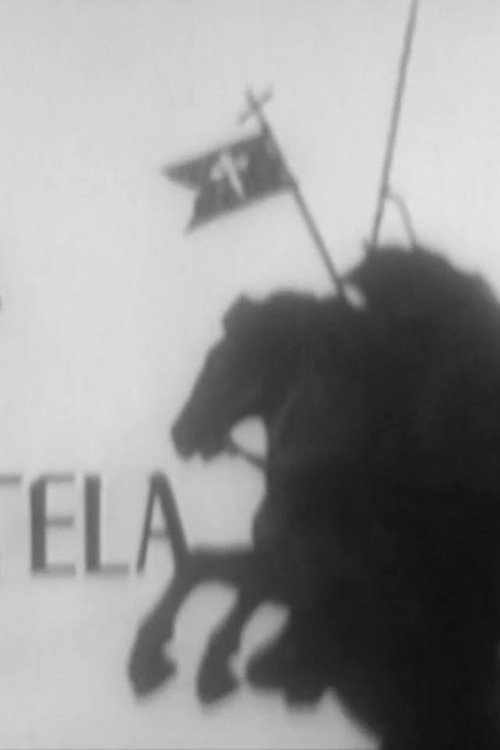
Misa en Compostela 1954
Captured in a fleeting but vivid 23 minutes, *Misa en Compostela* (1954) offers a poetic snapshot of Santiago de Compostela through Ana Mariscal's lens.
Director: Ana Mariscal
Cast
Frequently Asked Questions
What is Misa en Compostela (1954) about?
This short documentary by Ana Mariscal captures a day in Santiago de Compostela during her promotional tour, blending religious ceremony, youthful energy, and the city's rainy, academic atmosphere. It blends liturgy, local life, and a fleeting portrait of a changing post-war Spain.
Who directed Misa en Compostela?
Misa en Compostela was directed by Ana Mariscal, a pioneering Spanish filmmaker and actress known for blending social realism with poetic visuals.
Who stars in Misa en Compostela?
The film features key moments with Manuel Troitiño Mariño, José Luis Desiré, and Manuel Seoane, alongside Ana Mariscal herself in a narrational role.
Is Misa en Compostela (1954) worth watching?
Though short and unrated on IMDb, its atmospheric storytelling and historical glimpse into 1950s Santiago de Compostela make it a compelling watch—especially for fans of early Spanish documentary filmmaking and poetic realism.
How long is Misa en Compostela?
Misa en Compostela has a runtime of 23 minutes.
About Misa en Compostela (1954) — Ana Mariscal's poetic 23-minute ode to Santiago de Compostela
Captured in a fleeting but vivid 23 minutes, *Misa en Compostela* (1954) offers a poetic snapshot of Santiago de Compostela through Ana Mariscal's lens. Framed during her whirlwind promotional tour for her debut feature *Segundo López, aventurero urbano*, the documentary drifts through rain-soaked streets to immerse viewers in the daily rhythm of the city. Central to the mood is the liturgy unfolding inside the grand cathedral, where the camera lingers on the young, restless altar boy, his energy mirroring the restless spirit of a post-war university town. Interwoven are vignettes of a disillusioned pharmacy student and the city's architectural soul—drizzling plazas, weathered facades, and the ever-present pulse of academic life.
Ana Mariscal crafts more than an itinerary; she paints a mood. The film becomes a meditation on passage—of time, of faith, and of youth—all draped in the mist of northern Spain. While brief, its quiet power lies in turning a documentary into a sensory experience: the scent of incense, the echo of Latin chants, and the relentless patter of rain that defines both the city and Mariscal's own cinematic journey in 1954.