Wiping Cloth 1974
South Korean avant-garde artist Kim Kulim crafted *Wiping Cloth (1974)* as a bold, silent cinematic experiment that pushes the boundaries of traditional filmmaking.
Director: Kim Kulim
Frequently Asked Questions
What is *Wiping Cloth (1974)* about?
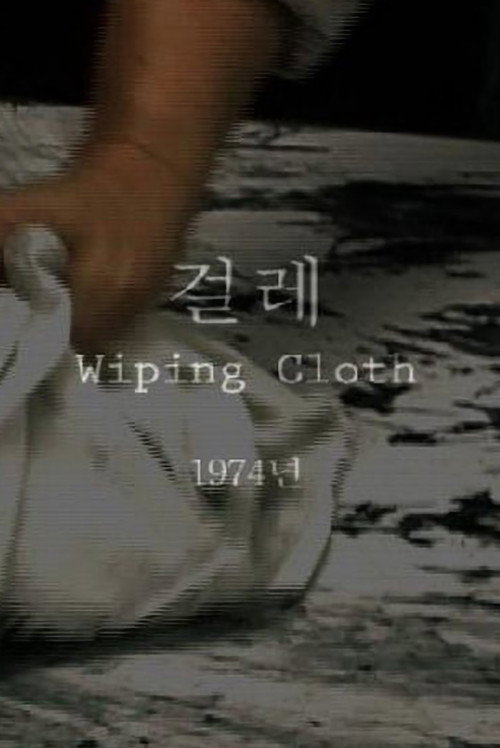
*Wiping Cloth* distills film down to its most elemental form, using a repetitive cloth-wiping motion as a metaphor for time's passage and human effort. The lack of sound or dialogue forces viewers to engage with visual rhythms, creating a meditative experience that lingers long after the credits roll.
Who directed *Wiping Cloth*?
The film was directed by Kim Kulim, a pioneering figure in South Korea's avant-garde art movement whose work blurs the lines between film, performance, and video installation.
Who stars in *Wiping Cloth*?
Cast details for *Wiping Cloth* are not publicly documented.
Is *Wiping Cloth (1974)* worth watching?
Given its historical significance as an early minimalist video art piece, *Wiping Cloth* is more of an academic or artistic curiosity than a mainstream entertainment experience. Its stark simplicity may not appeal to casual viewers, but it offers a fascinating glimpse into the evolution of experimental cinema.
How long is *Wiping Cloth*?
The film runs for just over two minutes, a fleeting yet impactful burst of visual experimentation.
About Wiping Cloth (1974) — The Minimalist Masterpiece That Redefined Film Art
South Korean avant-garde artist Kim Kulim crafted *Wiping Cloth (1974)* as a bold, silent cinematic experiment that pushes the boundaries of traditional filmmaking. This ultra-short, single-channel video piece runs just over two minutes with no audio, immersing viewers in a meditative visual experience where a cloth's repetitive motions take center stage. The minimalist yet evocative visuals invite contemplation on themes of erasure, time, and perception, challenging audiences to find meaning in simplicity. Often overlooked in mainstream cinema discussions, the work stands as a testament to early video art's potential to redefine narrative structure through sheer visual poetry.
As a pioneering piece from Seoul's experimental art scene, *Wiping Cloth (1974)* occupies a unique space between performance and film. Its stark, no-frills presentation strips away distractions, leaving the viewer to focus solely on the interplay of light, shadow, and movement. While devoid of conventional plot or dialogue, the piece lingers in the mind, prompting questions about the essence of art itself—what it consumes, what it reveals, and how it lingers long after the screen fades to black.