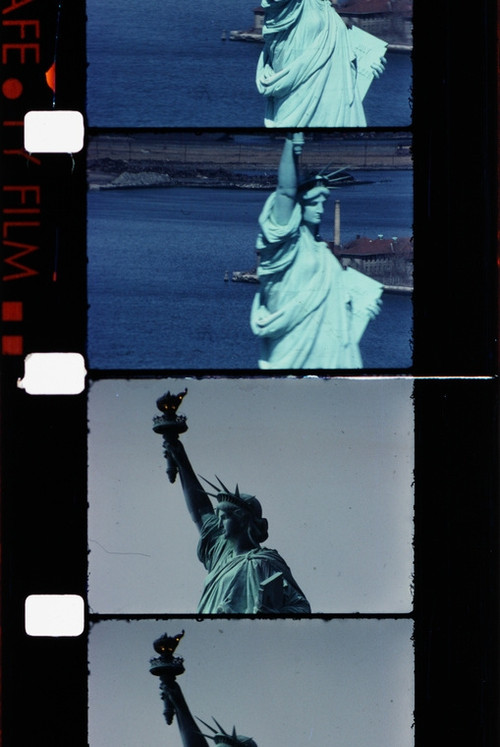
New York 1981
Peek into the raw charm of 1981 New York through Pierre Parat's intimate 16mm lens. This 32-minute documentary captures the city's restless pulse in 24 frames per second, transforming everyday streets into a meditative time capsule.
Director: Pierre Parat
Frequently Asked Questions
What is New York (1981) about?
This 32-minute documentary immerses viewers in the unfiltered atmosphere of New York City during the early 1980s. Through spontaneous 16mm footage, it frames the city's streets, people, and skyline as a living collage of moments, emotions, and textures.
Who directed New York?
Pierre Parat directed this documentary. Known for his experimental approach to filmmaking, Parat's work often captures everyday life with striking authenticity and visual warmth.
Who stars in New York?
Director information is not available.
Is New York (1981) worth watching?
While it isn't a commercial release, this short documentary offers a unique slice-of-life experience for fans of urban exploration and experimental film. Its raw aesthetic and nostalgic charm make it a rewarding watch for those who appreciate cinematic storytelling in its purest form.
How long is New York?
The runtime is 32 minutes.
About New York (1981) — Discover Pierre Parat's Raw, Grainy Portrait of 1980s New York
Peek into the raw charm of 1981 New York through Pierre Parat's intimate 16mm lens. This 32-minute documentary captures the city's restless pulse in 24 frames per second, transforming everyday streets into a meditative time capsule. Shot on hand-processed film stock, Parat's grainy visuals and spontaneous framing turn sidewalks and skylines into living poetry, inviting viewers to wander the neon-lit corners of a moment long past. The black-and-white imagery lingers on flickering storefronts, fleeting glances, and the unscripted rhythm of urban life, offering a slice of New York life that feels both timeless and achingly specific.
New York (1981) isn't just a city portrait—it's a mood piece that thrives on imperfection. The film's raw textures and off-beat compositions evoke a sense of quiet urgency, as if every frame is a diary entry written on the fly. Parat's documentary feels less like a documentary and more like a personal love letter to a place that never sleeps, where every corner holds a story waiting to be told.