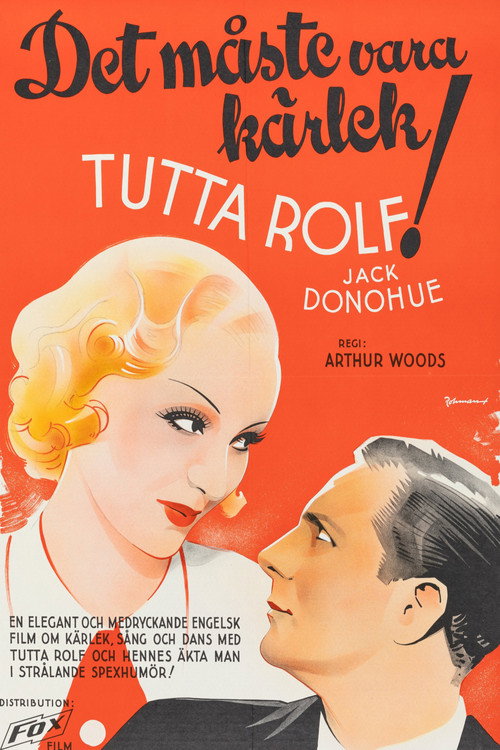
Rhythm in the Air 1936
Strapped to a steel girder high above the city, a steel-riveter's life changes in an instant when a tap-dancing vision across the way steals his applause—and his balance—in Arthur B.
Director: Arthur B. Woods
Cast


Frequently Asked Questions
What is Rhythm in the Air (1936) about?
A steel-riveter working high above the urban skyline becomes smitten with a tap-dancing performer across the way. A sudden wobble sends him teetering, but the real fall is into romance as the two navigate city rhythms and their own steps toward each other.
Who directed Rhythm in the Air?
The film was directed by Arthur B. Woods, a British filmmaker known for his work in light musicals and comedies during the 1930s.
Who stars in Rhythm in the Air?
The film features Jack Donohue, Tutta Rolf, Vic Oliver, Leslie Perrins, and Kitty Kelly leading the cast.
Is Rhythm in the Air (1936) worth watching?
While IMDb ratings aren't available, Rhythm in the Air offers a charming snapshot of 1930s musical romance—brisk, tuneful, and full of playful energy. Fans of light-hearted pre-war cinema with catchy numbers and gentle slapstick will likely find it a pleasant ninety minutes of escapism.
How long is Rhythm in the Air?
The film runs 72 minutes, perfect for a concise, uplifting musical interlude.
About Rhythm in the Air (1936) — A 1930s musical romance about falling for love high above the city
Strapped to a steel girder high above the city, a steel-riveter's life changes in an instant when a tap-dancing vision across the way steals his applause—and his balance—in Arthur B. Woods' breezy 1936 musical romance,
Rhythm in the Air (1936). With light-hearted charm and a dash of slapstick, the film swirls romantic daydreams and toe-tapping beats into a seventy-two-minute escape. Jack Donohue's nimble riveter, Vic Oliver's quick-witted raconteur, and Tutta Rolf's radiant dancer weave a story where gravity and infatuation collide against the hum of city life.
Expect feather-light romance, toe-tapping melodies, and a playful reminder that the best partnerships often begin with an accidental stumble.