Before the Massacre 1982
Before the Massacre (1982) offers a raw, intimate glimpse into the harrowing days leading up to one of the most tragic events in modern history.
Director: Christopher Sykes
Frequently Asked Questions
What is Before the Massacre (1982) about?
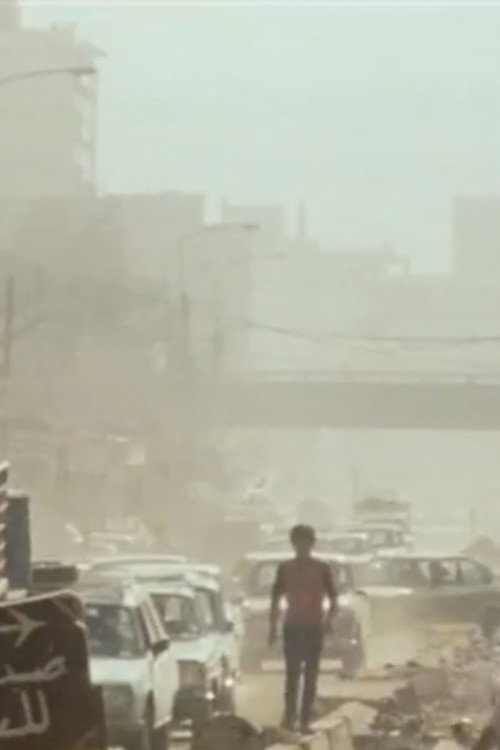
Before the Massacre is a BBC documentary that follows medical volunteers and their patients at the Gaza Hospital in West Beirut during the 1982 Israeli invasion of Lebanon. The film captures the intense atmosphere in the days leading up to the Sabra-Chatila massacre, offering a firsthand look at the humanitarian crisis unfolding in the region.
Who directed Before the Massacre?
Before the Massacre was directed by Christopher Sykes, a filmmaker known for his work in documentary filmmaking.
Who stars in Before the Massacre?
Director information is not available.
Is Before the Massacre (1982) worth watching?
As an unrated documentary, Before the Massacre (1982) is a compelling and historically significant film that sheds light on a pivotal moment in Middle Eastern history. Its gripping portrayal of resilience amid chaos makes it a must-watch for those interested in war documentaries and political history.
How long is Before the Massacre?
Before the Massacre has a runtime of 44 minutes.
Before the Massacre (1982): Inside Beirut's Gaza Hospital Before the Sabra-Chatila Tragedy — Full Info
Before the Massacre (1982) offers a raw, intimate glimpse into the harrowing days leading up to one of the most tragic events in modern history. Directed by Christopher Sykes, this BBC documentary immerses viewers in the Gaza Hospital of West Beirut, where medical volunteers work tirelessly to heal their patients amid the chaos of the 1982 Israeli invasion of Lebanon. The film captures the palpable tension and resilience of those caught in the crossfire, as the siege and bombardment of West Beirut escalate. With a haunting atmosphere, it documents the final moments of calm before the infamous Sabra-Chatila massacre, providing a stark reminder of the human cost of political conflict.
Syke's lens brings to life the stories of doctors and patients alike, their daily struggles and quiet courage painted in vivid detail. The documentary doesn't just recount history—it forces us to confront its immediacy, blending the personal with the political. As the camera lingers on the faces of those in the hospital, the film becomes a testament to the fragility of life and the enduring spirit of those who refuse to abandon hope, even in the darkest of times.