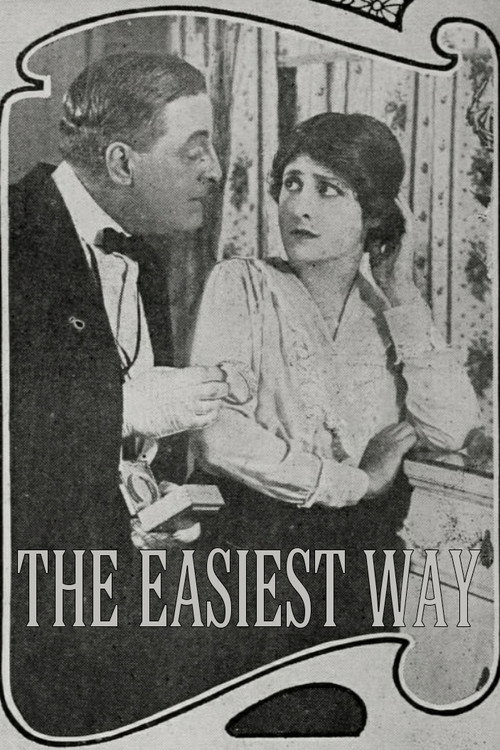
The Easiest Way 1917
Directed by Albert Capellani, 'The Easiest Way (1917)' is a captivating romantic drama that delves into the life of a young actress.
Director: Albert Capellani
Cast
Frequently Asked Questions
What is The Easiest Way (1917) about?
The film tells the story of a young actress navigating the challenges of love, ambition, and politics in early 20th-century New York.
Who directed The Easiest Way?
Albert Capellani brought this poignant tale to life, showcasing his skill and craftsmanship as a director.
Who stars in The Easiest Way?
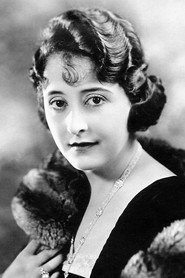
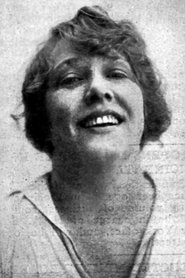
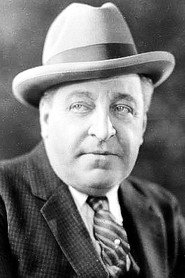
The film features a talented cast, including Clara Kimball Young, Louise Bates, and Joseph Kilgour.
Is The Easiest Way (1917) worth watching?
While the film's IMDb rating is not available, its exploration of timeless themes and its well-crafted storyline make it a worthwhile watch for fans of early cinema.
How long is The Easiest Way?
The film has a runtime of 70 minutes.
About The Easiest Way (1917) — A Romantic Drama of Self-Discovery
Directed by Albert Capellani, 'The Easiest Way (1917)' is a captivating romantic drama that delves into the life of a young actress. With her sights set on securing a successful engagement in New York, she faces numerous challenges stemming from jealousy and the cutthroat world of politics. The wealthy broker who finances her production demands her absolute best, leading her to resist his expectations. Ultimately, she finds love in an unexpected place, with a newspaper writer in Denver. This poignant tale of love and self-discovery is a must-watch for anyone interested in the early days of cinema.
The film boasts an impressive cast, including Clara Kimball Young, Louise Bates, and Joseph Kilgour. The drama and romance genres are perfectly intertwined, creating a rich atmosphere that will keep viewers engaged until the very end. With its gripping storyline and memorable characters, 'The Easiest Way (1917)' is a timeless classic that continues to captivate audiences to this day.
As a testament to its enduring appeal, 'The Easiest Way (1917)' remains a significant work in the filmography of director Albert Capellani, offering a unique glimpse into the world of early cinema.