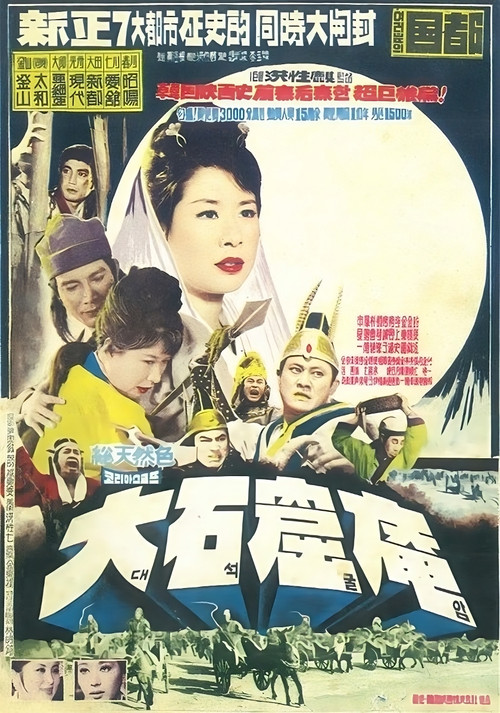
The Great Sokgulam Cave Temple 1965
Directed by Hong Seong-ki, *The Great Sokgulam Cave Temple (1965)* is a sweeping historical drama that immerses viewers in the 8th-century construction of the Seokguram Grotto during Silla's King Gyeongdeok's reign.
Director: Hong Seong-ki
Cast


Frequently Asked Questions
What is *The Great Sokgulam Cave Temple (1965)* about?
The film chronicles the construction of the Seokguram Grotto in 8th-century Silla, highlighting the personal and national struggles behind its creation. It intertwines the tale of two lovers, Mokryeon-agi and Abiru, with the broader fight for Korean identity and self-determination during a time of foreign pressure.
Who directed *The Great Sokgulam Cave Temple*?
Hong Seong-ki directed the film, bringing a cinematic vision that balances historical accuracy with emotional storytelling.
Who stars in *The Great Sokgulam Cave Temple*?
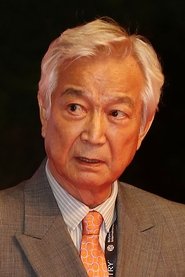
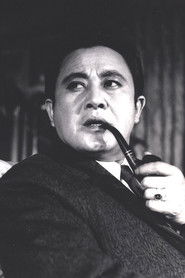
The film features Shin Seong-il, Nam Koong Won, Um Aing-ran, and Park Nou-sik in its principal roles.
Is *The Great Sokgulam Cave Temple (1965)* worth watching?
Though unrated on IMDb, this historical drama offers a compelling blend of cultural significance and human drama. Fans of period films and Korean cinema history will appreciate its themes of unity and craftsmanship, delivered with a level of authenticity rare for its time.
How long is *The Great Sokgulam Cave Temple*?
The movie runs for 87 minutes.
About The Great Sokgulam Cave Temple (1965) — A 1960s Korean Drama on Heritage and Unity
Directed by Hong Seong-ki, *The Great Sokgulam Cave Temple (1965)* is a sweeping historical drama that immerses viewers in the 8th-century construction of the Seokguram Grotto during Silla's King Gyeongdeok's reign. The film weaves together the grandeur of ancient craftsmanship with a tender love story between Mokryeon-agi and Abiru, set against the backdrop of a nation facing external threats. Through its rich visuals and emotional depth, the movie explores themes of national pride, unity, and resilience, echoing the anti-colonial sentiments of its era. Hong Seong-ki crafts an atmosphere of quiet determination, blending historical reverence with human drama to celebrate the power of collective effort over brute force.
As a product of 1960s Korean cinema, the film reflects the cultural and political climate of its time, emphasizing how shared purpose can surmount even the most daunting challenges. With its historical authenticity and stirring narrative, *The Great Sokgulam Cave Temple (1965)* stands as both a cinematic tribute to Korea's heritage and a poignant reminder of what can be achieved when a people unite in pursuit of a common goal.