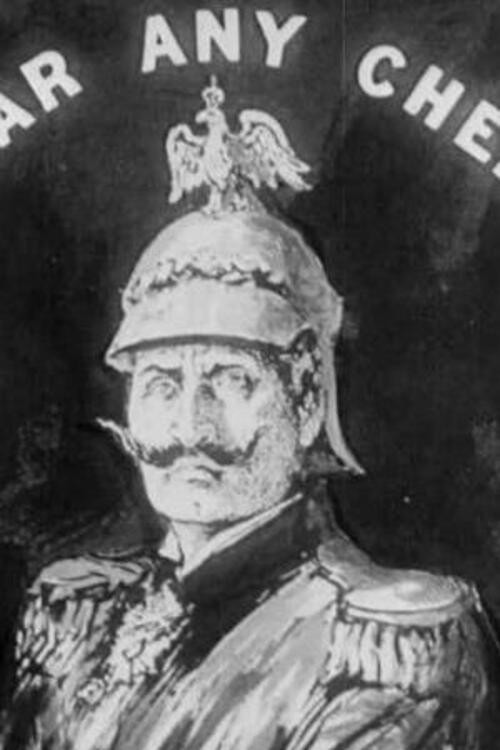
Bully Boy 1914
Dive into one of cinema's earliest propaganda pieces with *Bully Boy (1914)*, a lightning-fast animated short that blends biting satire with wartime urgency.
Director: Lancelot Speed
Cast
Frequently Asked Questions
What is Bully Boy (1914) about?
*Bully Boy (1914)* is a six-minute animated propaganda short that uses stark visual metaphors to reflect British outrage over the Reims bombing during World War I. The film personifies nations as animals, with a muscular bulldog representing Britain triumphantly consuming a German sausage, symbolizing victory over the enemy.
Who directed Bully Boy?
Lancelot Speed directed *Bully Boy*. A pioneer in early animation, Speed crafted this short as both a propaganda tool and an artistic experiment during the silent film era.
Who stars in Bully Boy?
The cast of *Bully Boy* includes Lancelot Speed as the primary creative force behind the animation and character designs.
Is Bully Boy (1914) worth watching?
As a historical artifact, *Bully Boy* is fascinating for its unfiltered wartime messaging and experimental animation style. While it lacks the polish of later works, its raw energy and symbolic storytelling offer valuable insight into early filmmaking. However, its propagandistic tone may not appeal to modern viewers seeking nuanced narratives.
How long is Bully Boy?
Runtime details are not listed, but *Bully Boy* is widely cited as lasting approximately six minutes.
About Bully Boy (1914): Early Animation Satire of WWI Propaganda
Dive into one of cinema's earliest propaganda pieces with *Bully Boy (1914)*, a lightning-fast animated short that blends biting satire with wartime urgency. Directed by Lancelot Speed and clocking in at just six minutes, this 1914 silent film uses exaggerated visual metaphors—a British bulldog devouring a German sausage—to channel outrage over the devastating Reims bombing. As a snapshot of early 20th-century animation and political messaging, *Bully Boy* stands as both a historical curiosity and a bold experiment in visual storytelling, where symbols carry the weight of public sentiment.
Themes of nationalism and conflict unfold in rapid, almost breathless sketches, evoking the era's raw emotions without subtlety. This brief but potent film showcases how animation could transcend mere entertainment to become a tool for persuasion, capturing the spirit of its time with unfiltered energy. Though modest in length, its imagery lingers, offering a glimpse into how early filmmakers harnessed creativity to comment on global events. Today, it serves as a fascinating relic for animation enthusiasts and history buffs alike.