Tontolini e l'asino 1911
In the 1911 Italian silent comedy classic *Tontolini e l'asino*, mischievous trickster Tontolini stumbles upon a lively public park procession only to be distracted by a playful donkey.
Cast
Frequently Asked Questions
What is Tontolini e l'asino (1911) about?
This early Italian silent comedy follows the mischievous Tontolini as he impulsively steals a donkey from a park procession and embarks on a wild, winding ride through the countryside. Along the way, he encounters a peddler with colorful toy balloons, adding to the film's playful and chaotic charm.
Who directed Tontolini e l'asino?
Director information is not available.
Who stars in Tontolini e l'asino?
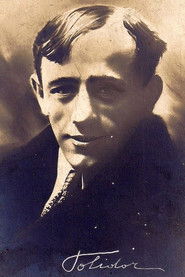
The film stars Polidor, the beloved Italian comedian known for his slapstick antics and expressive physicality.
Is Tontolini e l'asino (1911) worth watching?
As a silent-era comedy, *Tontolini e l'asino* offers a charming glimpse into early Italian filmmaking with its fast-paced humor and heartfelt farce. Though modest in length, its playful spirit and historical significance make it a delightful watch for silent film enthusiasts.
How long is Tontolini e l'asino?
The film runs for approximately 3 minutes.
🎥 Trailer
About Tontolini e l'asino (1911) — A Fast-Paced Silent Comedy Starring Polidor
In the 1911 Italian silent comedy classic *Tontolini e l'asino*, mischievous trickster Tontolini stumbles upon a lively public park procession only to be distracted by a playful donkey. With quick wit and bold daring, he sneaks onto the animal's back moments before the unsuspecting owner turns away. What begins as a simple act of theft spirals into a joyful rural escapade, as Tontolini gallops through the countryside, carefree and full of adventure.
The journey takes an even whimsical turn when he crosses paths with a cheerful peddler, whose overflowing cart of toy balloons adds a burst of color to the pastoral chase. Directed with playful energy and starring the iconic Polidor, this early silent gem delivers timeless farce, gentle satire, and a lighthearted critique of impulsive desire—all wrapped in a breezy three-minute runtime that captures the spirit of early Italian comedy.