Whitewash 1973
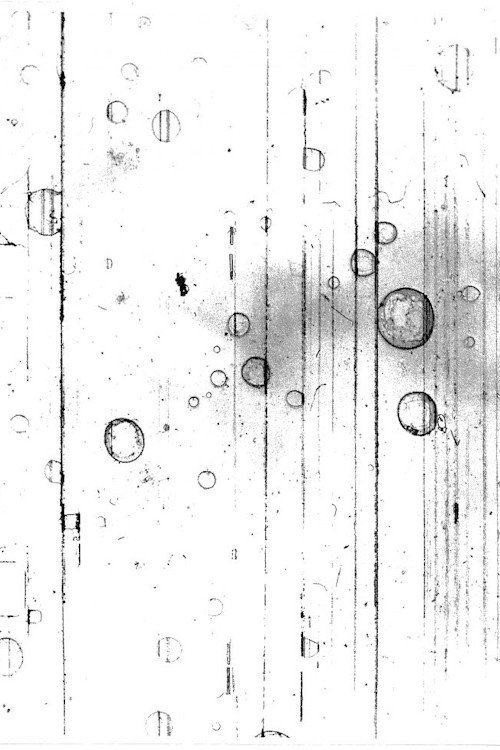
Whitewash (1973) is a hypnotic 4-minute experimental short that strips cinema down to its raw, tactile essence. Director Lynsey Martin doesn't just capture images—she reimagines them, blending collage, erasure, and hand-painted strokes directly onto the filmstrip.
Director: Lynsey Martin
Frequently Asked Questions
What is Whitewash (1973) about?
This isn't a story with characters or dialogue—Whitewash is a sensory exploration of film as an object. Director Lynsey Martin manipulates the filmstrip itself, using collage, erasure, and hand-painted imagery to question how we perceive motion, photography, and public space through the lens of cinema.
Who directed Whitewash?
Whitewash was directed by Lynsey Martin, a pioneering experimental filmmaker known for her innovative approach to the material elements of film.
Who stars in Whitewash?
Cast details for Whitewash are not listed, as this experimental short focuses solely on visual and material experimentation rather than performers.
Is Whitewash (1973) worth watching?
With its unique blend of collage, hand-painting, and filmic abstraction, Whitewash offers a brief but profound glimpse into experimental cinema. While it's not for everyone, viewers who appreciate avant-garde art or the tactile side of filmmaking will find it captivating—even in its concise 4-minute runtime.
How long is Whitewash?
Whitewash runs for 4 minutes.
Whitewash (1973): The Experimental Film Where Celluloid Becomes Canvas
Whitewash (1973) is a hypnotic 4-minute experimental short that strips cinema down to its raw, tactile essence. Director Lynsey Martin doesn't just capture images—she reimagines them, blending collage, erasure, and hand-painted strokes directly onto the filmstrip. The result is a visually arresting meditation on the materiality of film itself, where grain, texture, and movement become the true protagonists. Martin's work invites viewers into a world where photography meets public space, challenging our perception of what cinema can be.
This avant-garde gem feels like stepping into a dream where every frame tells a story without words. The absence of dialogue or conventional narrative only heightens the sensory experience, turning Whitewash into a study of light, shadow, and the uncanny beauty of decay. It's a fleeting but unforgettable journey into the heart of experimental filmmaking, where the medium's physicality takes center stage. For fans of Lynchian surrealism or the works of Stan Brakhage, this is a must-see.