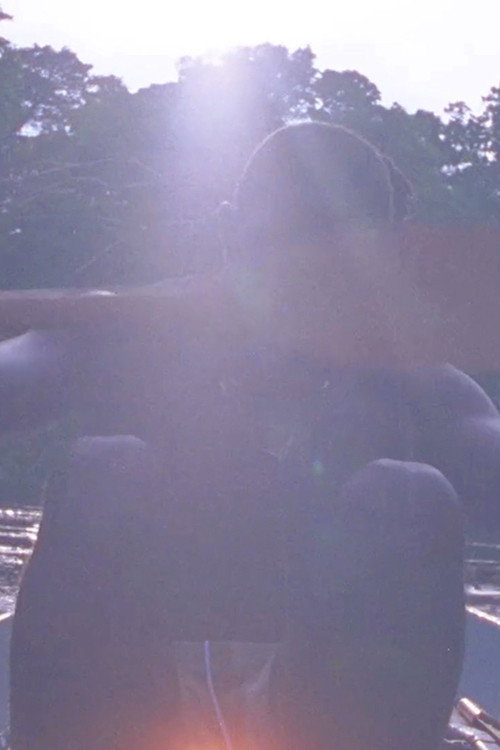
Let Each One Go Where He May 2009
Ben Russell's *Let Each One Go Where He May* (2009) immerses viewers in a profound expedition tracing the footsteps of two anonymous brothers as they retrace the perilous path of their ancestors—enslaved people who fled Dutch colonial rule in Suriname three centuries ago.
Director: Ben Russell
Cast
Frequently Asked Questions
What is *Let Each One Go Where He May* (2009) about?
This documentary follows two brothers as they retrace the historic escape route of their enslaved ancestors in Suriname, journeying from Paramaribo through rapids and jungles to a Maroon village. Their pilgrimage becomes a cinematic meditation on freedom, heritage, and the land's enduring role in preserving stories of survival.
Who directed *Let Each One Go Where He May*?
The film was directed by Ben Russell, whose work often explores themes of migration, identity, and colonialism through striking visual narratives.
Who stars in *Let Each One Go Where He May*?
The cast includes Benjen Pansa and Monie Pansa, who embody the silent yet powerful journey at the heart of the documentary.
Is *Let Each One Go Where He May* (2009) worth watching?
While not rated on IMDb, this meditative documentary offers a rare glimpse into Suriname's history and the resilience of its people. Its atmospheric storytelling and thematic depth make it compelling for fans of historical and cultural films, though viewers seeking fast-paced narratives may find it slow.
How long is *Let Each One Go Where He May*?
The runtime is 135 minutes, unfolding a journey that mirrors both the physical and emotional distance traveled by its subjects.
About Let Each One Go Where He May (2009) — A poetic voyage into Suriname's hidden history of resistance
Ben Russell's *Let Each One Go Where He May* (2009) immerses viewers in a profound expedition tracing the footsteps of two anonymous brothers as they retrace the perilous path of their ancestors—enslaved people who fled Dutch colonial rule in Suriname three centuries ago. Departing from the outskirts of Paramaribo, the journey unfolds across rugged terrain, winding rivers, and dense jungles, mirroring the endurance and resilience of Maroon communities who still traverse these landscapes today. The film's visual poetry contrasts the raw beauty of the Upper Suriname River with the weight of history, capturing a journey that is as much about reclaiming identity as it is about survival. Russell's meditative direction transforms a personal odyssey into a universal reflection on freedom, migration, and the enduring scars of colonialism.
Captured in stark, evocative imagery, the documentary honors the legacy of resistance woven into the land itself. From rapids that roar like forgotten whispers to villages where time seems suspended, every frame echoes the unbroken spirit of those who dared to escape. The brothers' silent trek becomes a metaphor for the ongoing search for belonging, where geography and memory intertwine in a landscape still shaped by forced displacement and hard-won liberation.