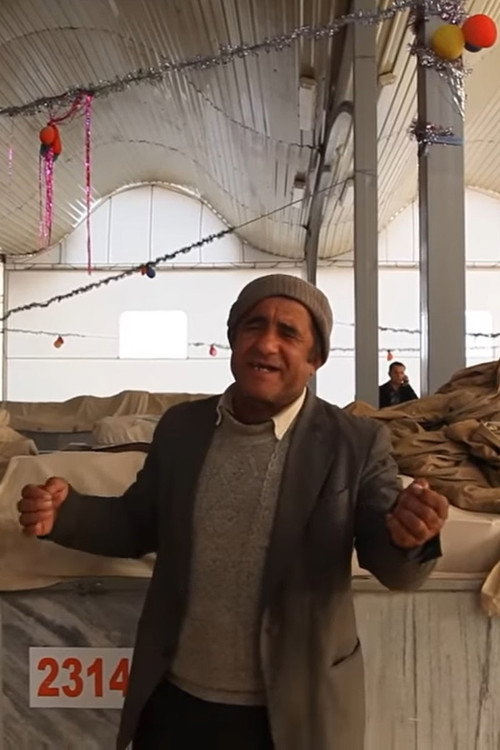
Neither live nor die in Tashkent 2015
Oleg Karpov's *Neither live nor die in Tashkent (2015)* immerses viewers in a vibrant, kaleidoscopic portrait of Tashkent's artistic and cultural heartbeat between 2007 and 2015.
Director: Oleg Karpov
Frequently Asked Questions
What is *Neither live nor die in Tashkent (2015)* about?
This documentary chronicles the cultural and artistic life of Tashkent from 2007 to 2015, blending significant events with everyday moments. It captures the city's evolving identity through avant-garde festivals, personal stories, and the fading traces of its former self, creating a poignant snapshot of time.
Who directed *Neither live nor die in Tashkent*?
The film was directed by Oleg Karpov, a filmmaker known for his observational and immersive documentary style.
Who stars in *Neither live nor die in Tashkent*?
The film features real-life figures from Tashkent's cultural scene, including performances and appearances by artists, activists, and public personalities integral to the city's evolving narrative.
Is *Neither live nor die in Tashkent (2015)* worth watching?
For fans of unconventional documentary cinema, this film offers a deeply atmospheric and thought-provoking experience. Its blend of raw visuals and historical weight makes it a standout, especially for those interested in Central Asian culture and underground art movements.
How long is *Neither live nor die in Tashkent*?
The film runs for 73 minutes, a concise yet impactful runtime that immerses viewers without overstaying its welcome.
About Neither live nor die in Tashkent (2015) — A Tashkent time capsule through the lens of documentary art
Oleg Karpov's *Neither live nor die in Tashkent (2015)* immerses viewers in a vibrant, kaleidoscopic portrait of Tashkent's artistic and cultural heartbeat between 2007 and 2015. Through a collage of documentary footage, the film captures the city's rapidly changing identity—from the shocking murder of director Mark Weil to the opulent wedding of billionaire Alisher Usmanov. The documentary weaves together fragments of avant-garde art, overlooked apartment performances, and raw street-level observations, creating a bittersweet time capsule of a city and its people on the verge of irreversible transformation.
This is a film about memory and transience, where every frame feels like a whispered confession from a bygone era. The vibrant chaos of Tashkent's experimental art scene collides with mundane daily life, revealing a society caught between tradition and modernity, nostalgia and progress. It's a haunting meditation on impermanence, told with unflinching honesty and poetic urgency.