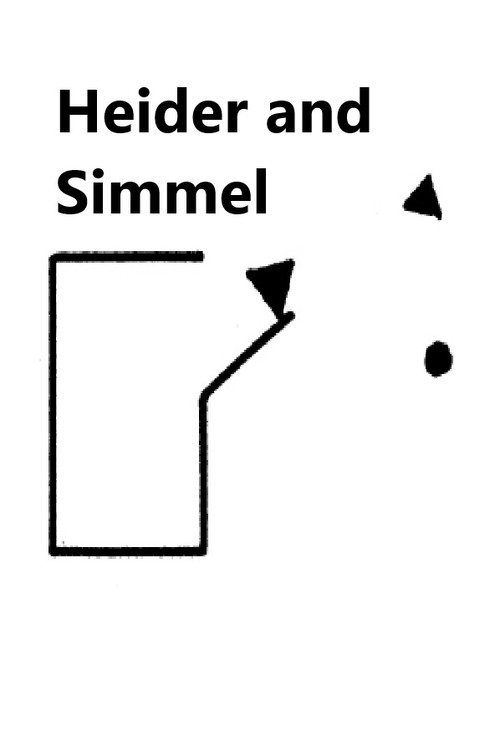
Fighting Triangles: Social Perception AKA The Heider-Simmel Illusion 1944
Fighting Triangles: Social Perception AKA The Heider-Simmel Illusion (1944) is a groundbreaking 60-second animated experiment by psychologists Fritz Heider and Marianne Simmel.
Director: Fritz Heider
Frequently Asked Questions
What is Fighting Triangles: Social Perception AKA The Heider-Simmel Illusion (1944) about?
This 1944 experimental short film features three abstract shapes moving in a simple animation, yet viewers instinctively assign them personalities, motives, and dramatic conflicts. The film explores how our minds actively construct narratives from minimal visual cues, reflecting our own psychological biases and memories.
Who directed Fighting Triangles: Social Perception AKA The Heider-Simmel Illusion?
The film was directed by Fritz Heider, a psychologist who pioneered research in social perception and attribution theory. His collaboration with Marianne Simmel led to this iconic experiment in visual psychology.
Who stars in Fighting Triangles: Social Perception AKA The Heider-Simmel Illusion?
The cast details for this 1944 experimental short are not officially documented, as the film focuses entirely on abstract shapes rather than credited performers.
Is Fighting Triangles: Social Perception AKA The Heider-Simmel Illusion (1944) worth watching?
At just one minute long, this experimental short isn't a traditional film, but it's a fascinating psychological exercise that challenges how we interpret visual information. Its minimalist approach and enduring influence on perception studies make it a must-see for fans of avant-garde cinema and psychology alike.
How long is Fighting Triangles: Social Perception AKA The Heider-Simmel Illusion?
The runtime for Fighting Triangles: Social Perception AKA The Heider-Simmel Illusion is exactly 1 minute.
🎥 Trailer
About Fighting Triangles: Social Perception AKA The Heider-Simmel Illusion (1944) — The 60-second experiment that changed how we perceive storytelling
Fighting Triangles: Social Perception AKA The Heider-Simmel Illusion (1944) is a groundbreaking 60-second animated experiment by psychologists Fritz Heider and Marianne Simmel. This minimalist short film strips storytelling to its bare essentials—three abstract shapes moving across a stark screen—yet viewers instinctively craft intricate narratives around them. The shapes' simple interactions become a mirror for our own subconscious, revealing how perception shapes reality. Without dialogue or context, the film challenges us to confront our tendency to project meaning onto even the most abstract stimuli, making it a fascinating study in psychology as much as cinema.
Directed with precision by Fritz Heider, whose work laid the foundation for modern attribution theory, this micro-masterpiece of purist animation transcends its brevity. Though the cast remains uncredited, the film's power lies not in who performs but in how we interpret their silent dance. Its abstract nature sparks endless discussions about bias, memory, and the stories we tell ourselves—often without realizing we're doing it. A timeless experiment that proves less really can be more.
Explore this historic short and rediscover how a single minute of moving shapes can hold an entire mirror to the human mind.