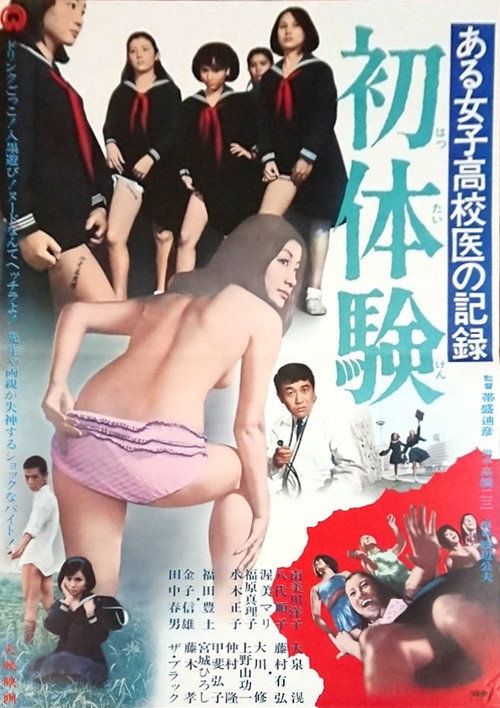
Record of a Girls' High School Doctor: First Time 1968
A slice-of-life drama from 1968, *Record of a Girls' High School Doctor: First Time* follows a young female doctor navigating the challenges of her first position at an all-girls high school in post-war Japan.
Director: Michihiko Obimori
Cast



Frequently Asked Questions
What is *Record of a Girls' High School Doctor: First Time* (1968) about?
This 1968 Japanese drama centers on a fresh-faced female doctor taking her first job at a girls' high school, where she must navigate medical challenges and the emotional turbulence of teenage life. The film blends coming-of-age themes with the pressures of early career responsibility.
Who directed *Record of a Girls' High School Doctor: First Time*?
Michihiko Obimori directed this 1968 drama, though details about his broader filmography remain sparse.
Who stars in *Record of a Girls' High School Doctor: First Time*?
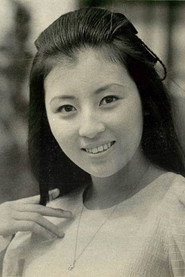
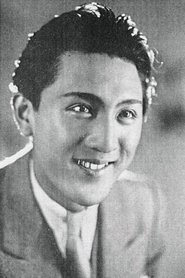
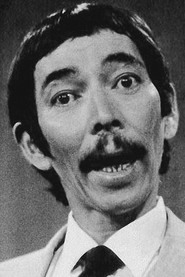
The film stars Yôko Namikawa, Junko Yashiro, Mari Atsumi, and Masako Mizuki in key roles.
Is *Record of a Girls' High School Doctor: First Time* (1968) worth watching?
While it's a lesser-known entry from 1968, its focus on youth and professional debut makes it a unique watch for fans of period dramas. The short runtime and gentle storytelling offer a nostalgic, if lightweight, experience.
How long is *Record of a Girls' High School Doctor: First Time*?
The film runs for 80 minutes.
About Record of a Girls' High School Doctor: First Time (1968) — A 1960s drama of youth, medicine, and first impressions
A slice-of-life drama from 1968, *Record of a Girls' High School Doctor: First Time* follows a young female doctor navigating the challenges of her first position at an all-girls high school in post-war Japan. Directed by Michihiko Obimori, the film captures the innocence and awkwardness of adolescence alongside the inexperience of its protagonist as she balances medical duties with the emotional complexities of adolescence. With a runtime of just 80 minutes, this short but poignant film delves into themes of growth, responsibility, and the quiet resilience of youth. The atmosphere is gentle yet introspective, blending the clinical detachment of early medical practice with the warmth of human connection.
The story unfolds in a modest high school setting, where the protagonist's journey is as much about self-discovery as it is about healing others. Her interactions with students and staff reveal the subtle tensions between tradition and modernity, authority and empathy, all rendered with a sensitivity fitting of the era. While not a household name today, *Record of a Girls' High School Doctor: First Time* stands as a time capsule of late-60s Japanese education and societal norms, offering a rare glimpse into the role of women in medicine during a transitional period.